Gut microbiota: a new key player in heart health
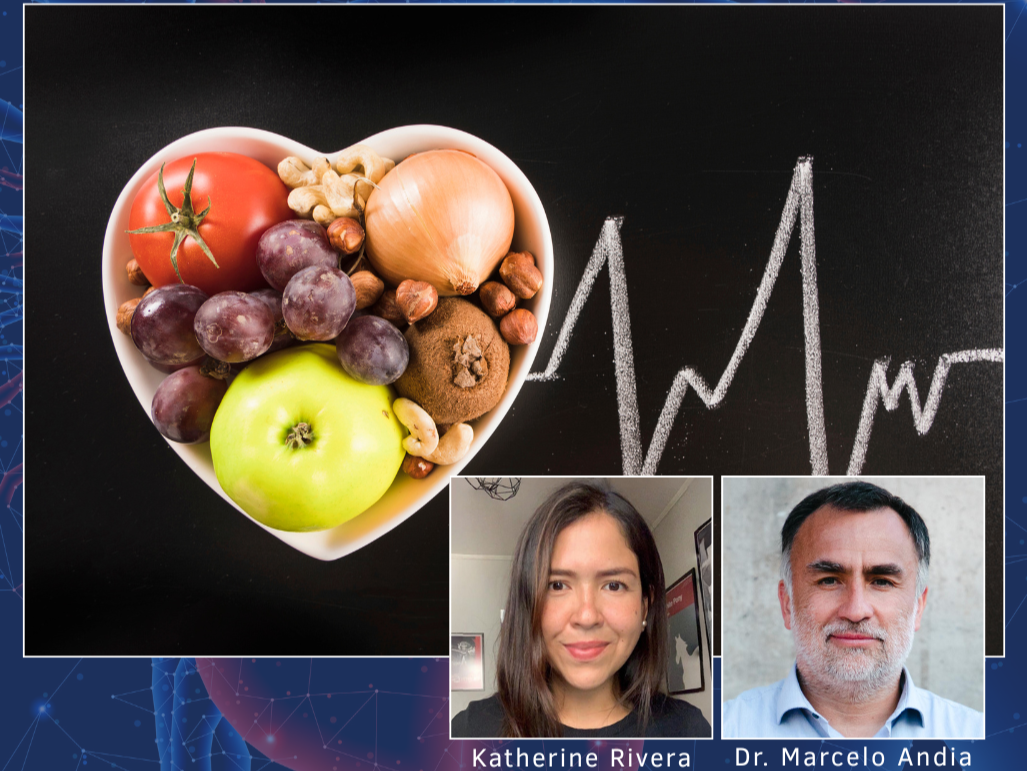
Chilean researchers are studying how gut microbiota influences heart health and have discovered that by using by-products from the wine industry, it may be possible to improve cardiac function and extend lifespan in a preclinical model of coronary artery disease.
As part of Heart Month, new findings have been released to address the leading cause of death both in Chile and worldwide: cardiovascular diseases. Scientists from the Millennium Institute for Intelligent Healthcare Engineering (iHEALTH) and Pontificia Universidad Católica de Chile are investigating how the bacteria that inhabit our gut may directly influence the development and progression of cardiovascular disease.
The study, led by Dr. Marcelo Andia, professor at UC School of Medicine and deputy director of iHEALTH, together with UC PhD student Katherine Rivera, explores the so-called “gut–heart axis”: a biological connection in which changes in intestinal integrity can trigger widespread inflammation in the body, disturbing the delicate balance of the cardiovascular system and directly impairing heart health.
Low-fiber diets high in carbohydrates and fats disrupt the diversity of gut bacteria, which increases intestinal permeability. This allows pro-inflammatory molecules to leak into the bloodstream, potentially fueling the onset and progression of cardiovascular damage.
In collaboration with researchers from the United Kingdom, the team used an animal model of coronary artery disease to evaluate how diet and certain antioxidant compounds could modify this condition.
The results first showed that a high-fat, high-cholesterol diet impaired the gut’s ability to properly filter what enters the bloodstream, altering the microbiota, increasing inflammation, and causing metabolic damage to the heart. However, supplementation with grape pomace—a by-product of red wine production rich in antioxidants—not only improved the intestinal microenvironment and reduced inflammation, but also prevented premature death in the experimental model.
“Restoring the gut microbiota not only had a protective effect on the heart but also significantly prolonged survival in our experimental model,” highlights Katherine Rivera, who is developing her doctoral thesis on the subject.
According to Dr. Marcelo Andia, this line of research opens the door to new preventive and therapeutic strategies for patients at high cardiovascular risk, as well as for the general population. “Understanding how gut health impacts the heart allows us to think of more comprehensive interventions, which include diet, microbiota, and non-invasive biomarkers of cardiac damage,” he says.
The study also assessed the potential of nuclear magnetic resonance (NMR) spectroscopy as a non-invasive biomarker to detect early metabolic changes in the heart—a tool that could be applied to monitor patients with coronary artery disease. The techniques proposed could help identify foods with cardioprotective potential and give scientific grounding to the phrase immortalized by Hippocrates: “Let food be thy medicine.”
With over 27,000 deaths each year in Chile linked to cardiovascular disease, the researchers emphasize that heart care goes far beyond exercise and diet: it also depends on taking care of the bacteria that live in our gut.
