Winter with Science 2025 Brings Together 2,000 Visitors at the Biblioteca de Santiago
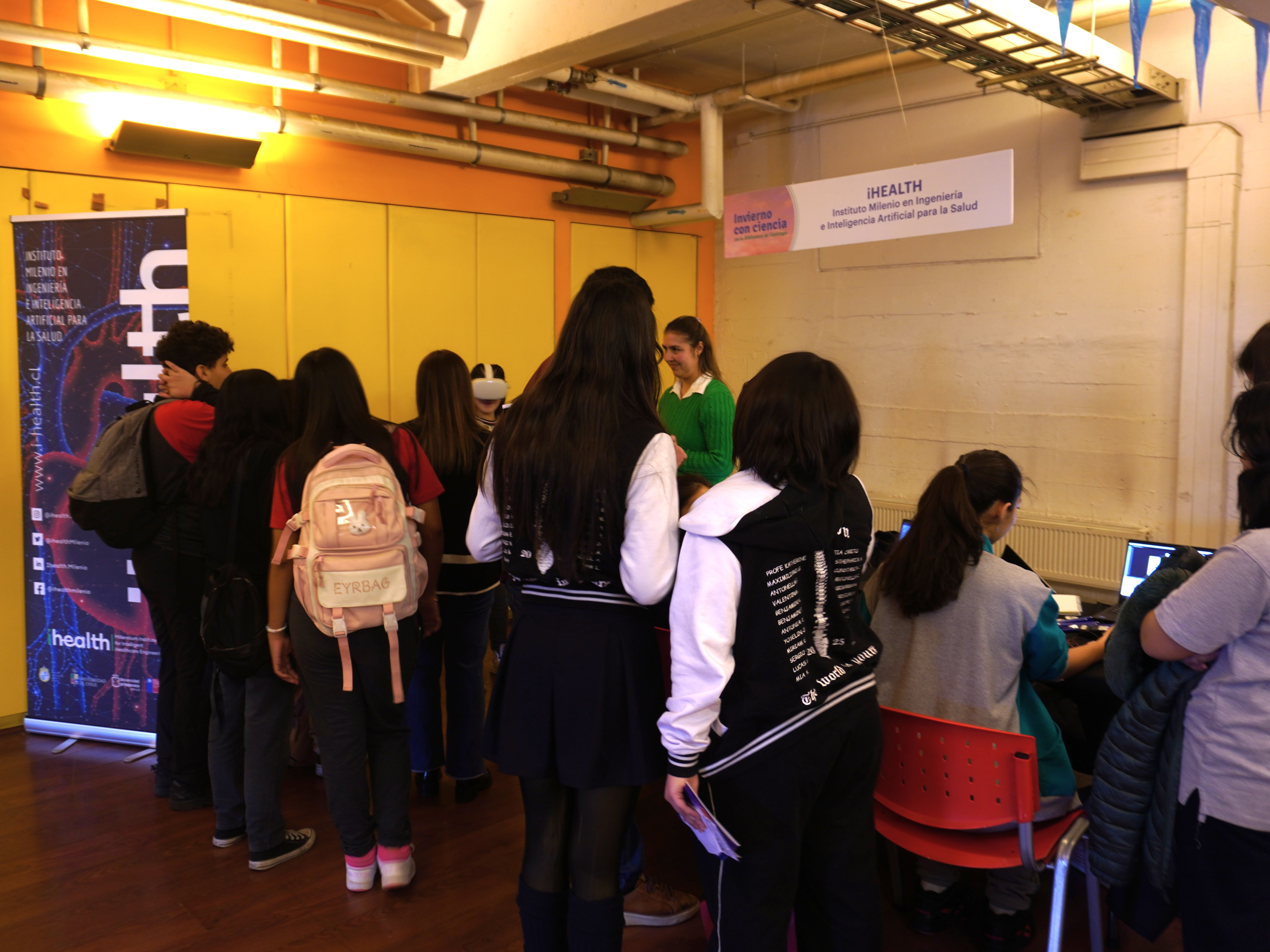
The Santiago Library was the venue for the second edition of Winter with Science, an event organized by the ANID Research Centers —Millennium Institute for Research in Optics (MIRO), Millennium Institute of Astrophysics (MAS), Millennium Institute for Volcanic Risk Research (Ckelar Volcanes), Institute for Complex Systems Engineering (ISCI), Millennium Institute for Biodiversity of Antarctic and Subantarctic Ecosystems (BASE), and the Millennium Institute of Engineering and Artificial Intelligence for Health (iHEALTH)— along with the Santiago Library.
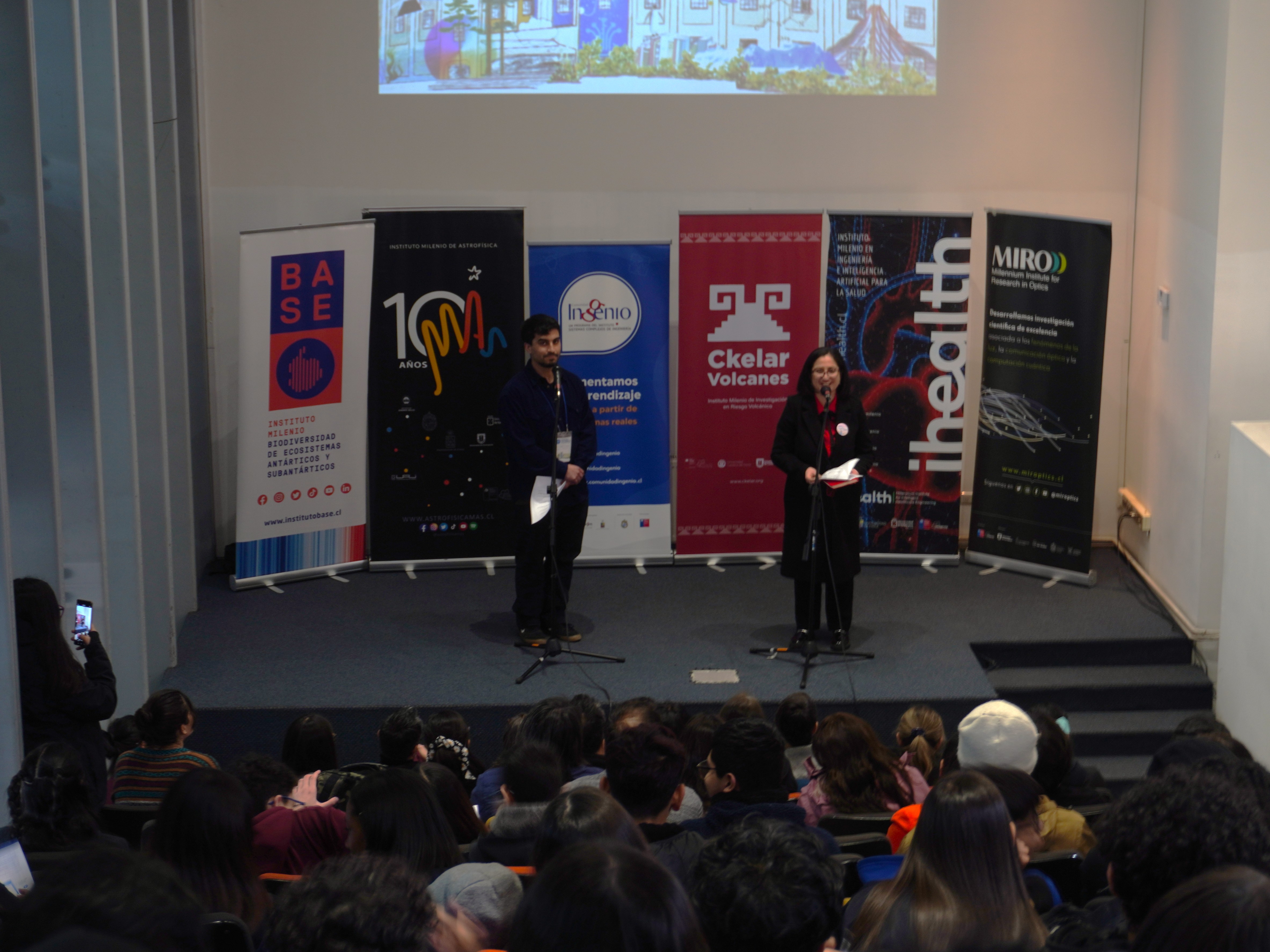
The event began with welcome remarks from Alejandra Pizarro, National Director of the Chilean National Agency for Research and Development (ANID); Marcela Valdés Rodríguez, Director of the Santiago Library; Macarena Rojas Ábalos, President of the Chilean Association of Science Communicators (ACHIPEC); and Evelyn Nahuelhual, head of the ISCI outreach program Comunidad InGenio, representing the organizing ANID centers.
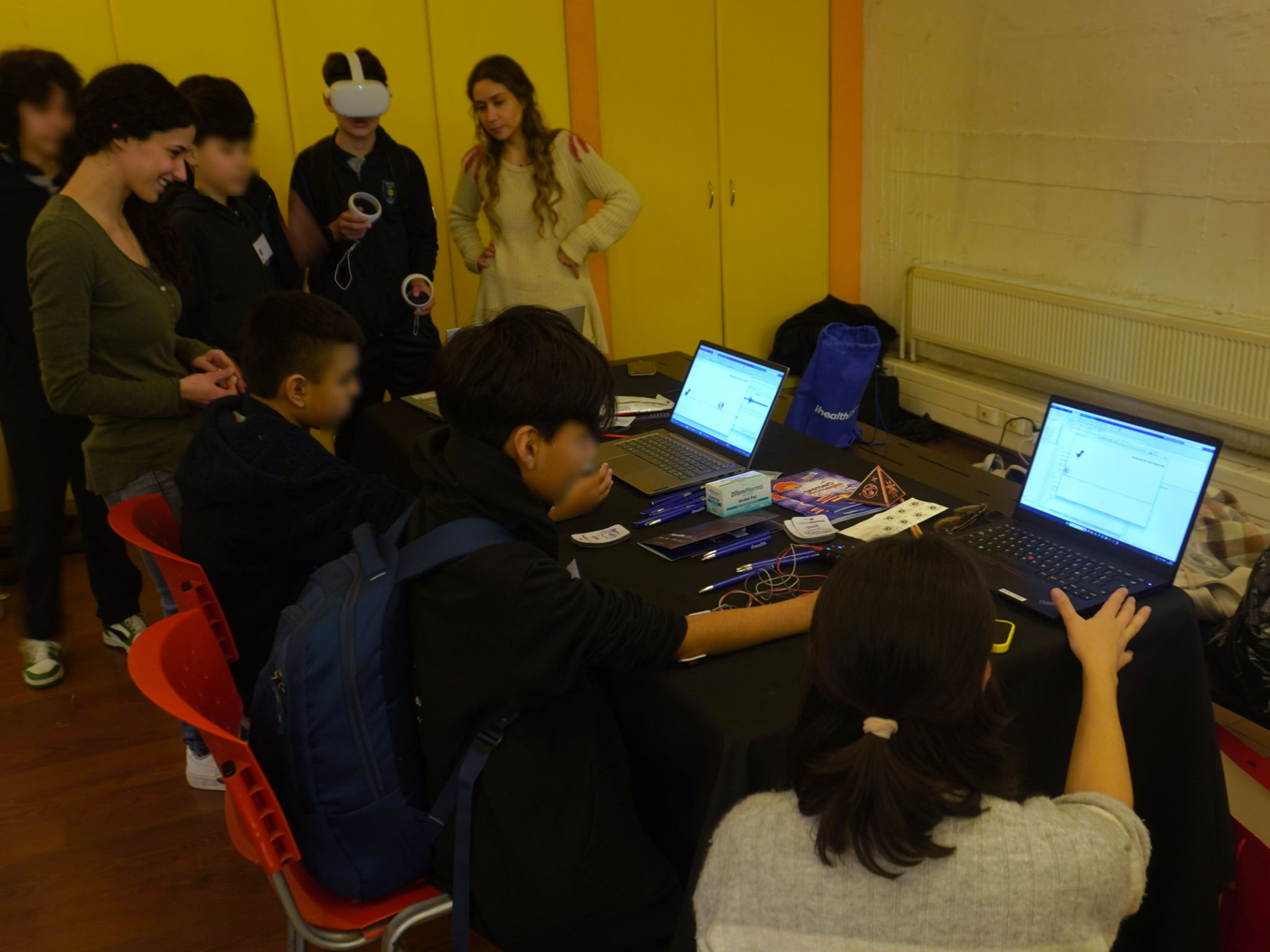
Throughout the day, nearly 2,000 attendees —including delegations from around 50 schools— explored a variety of interactive booths designed to bring science closer to people in an engaging and participatory way.
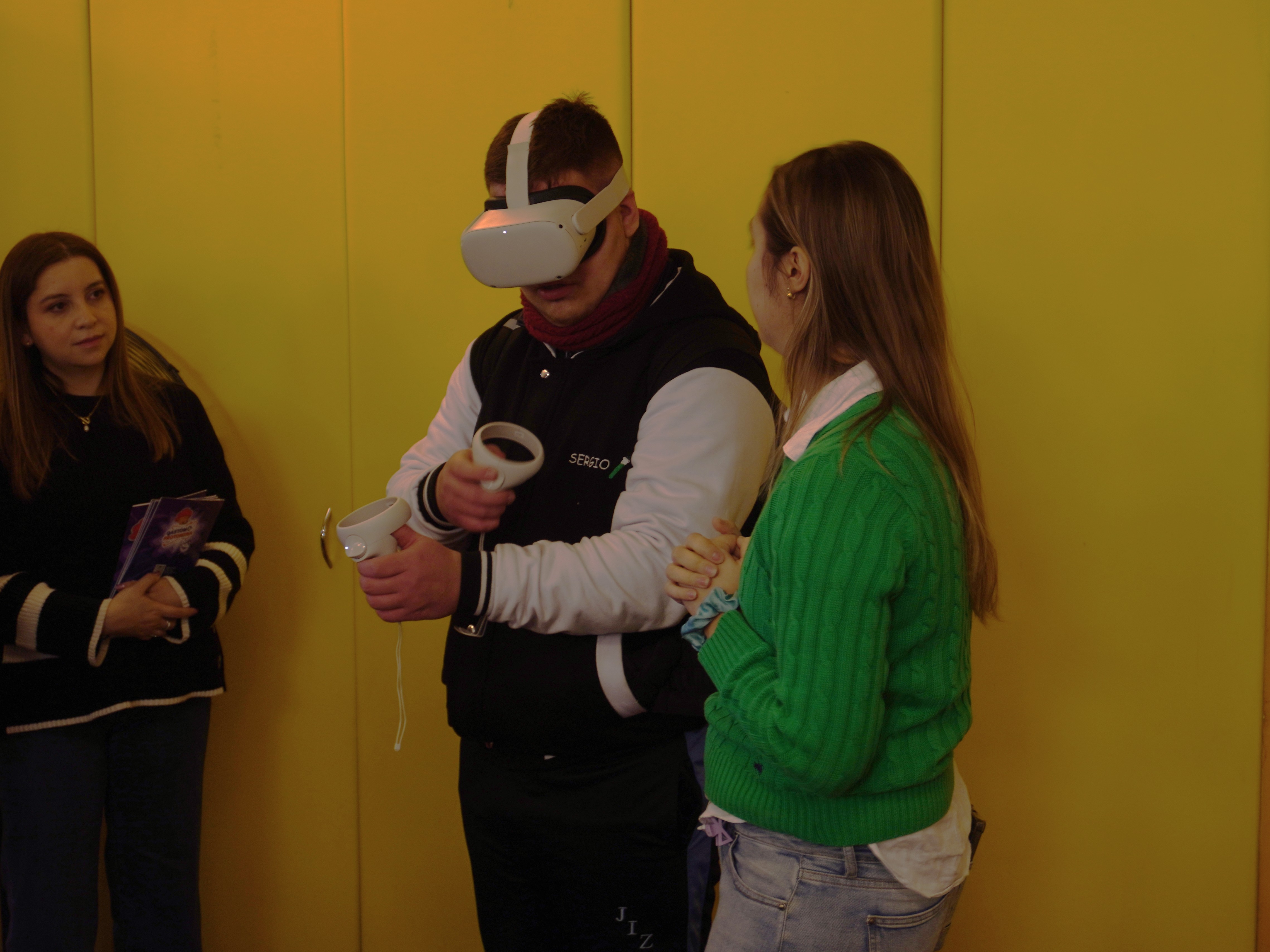
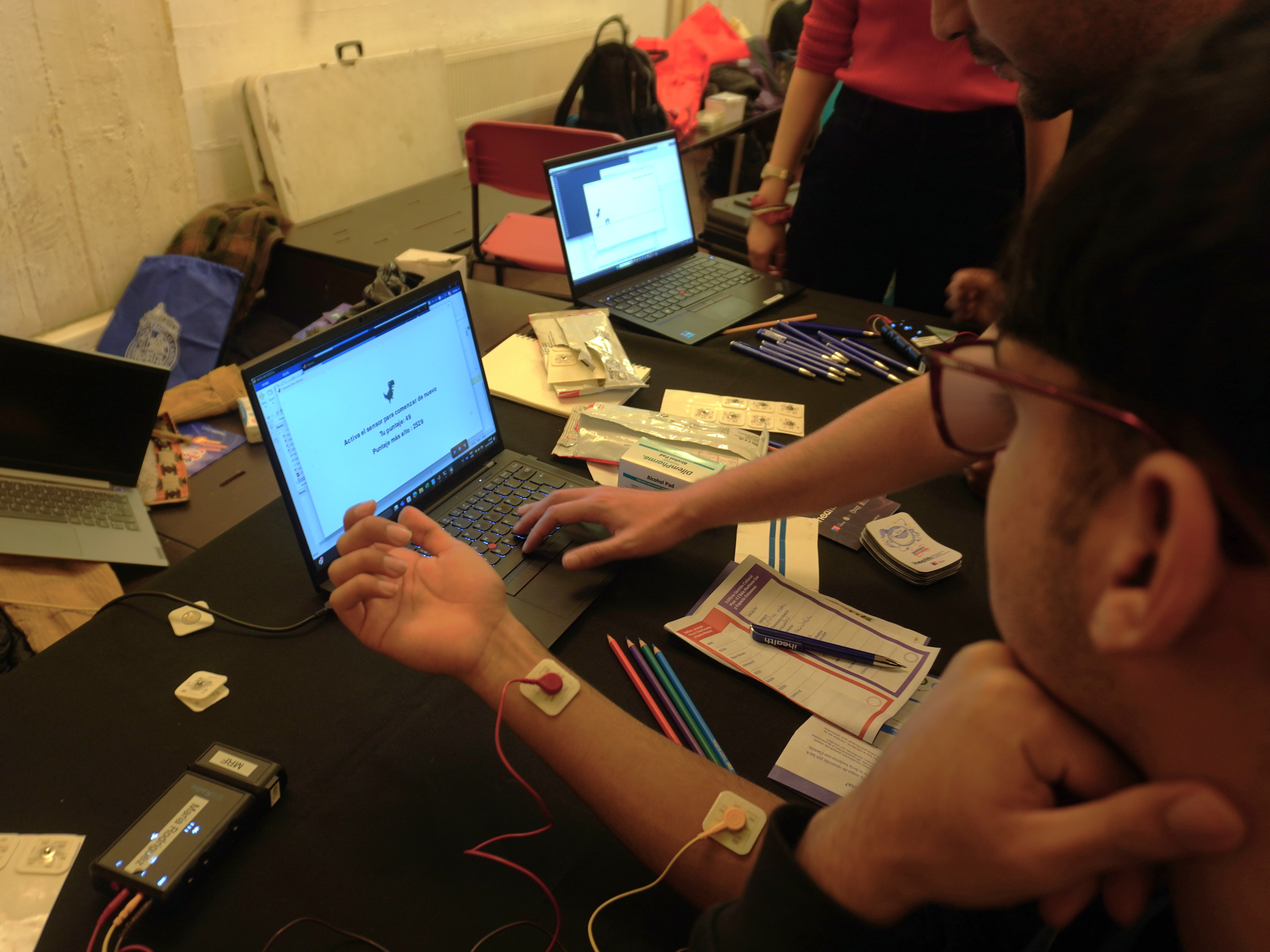
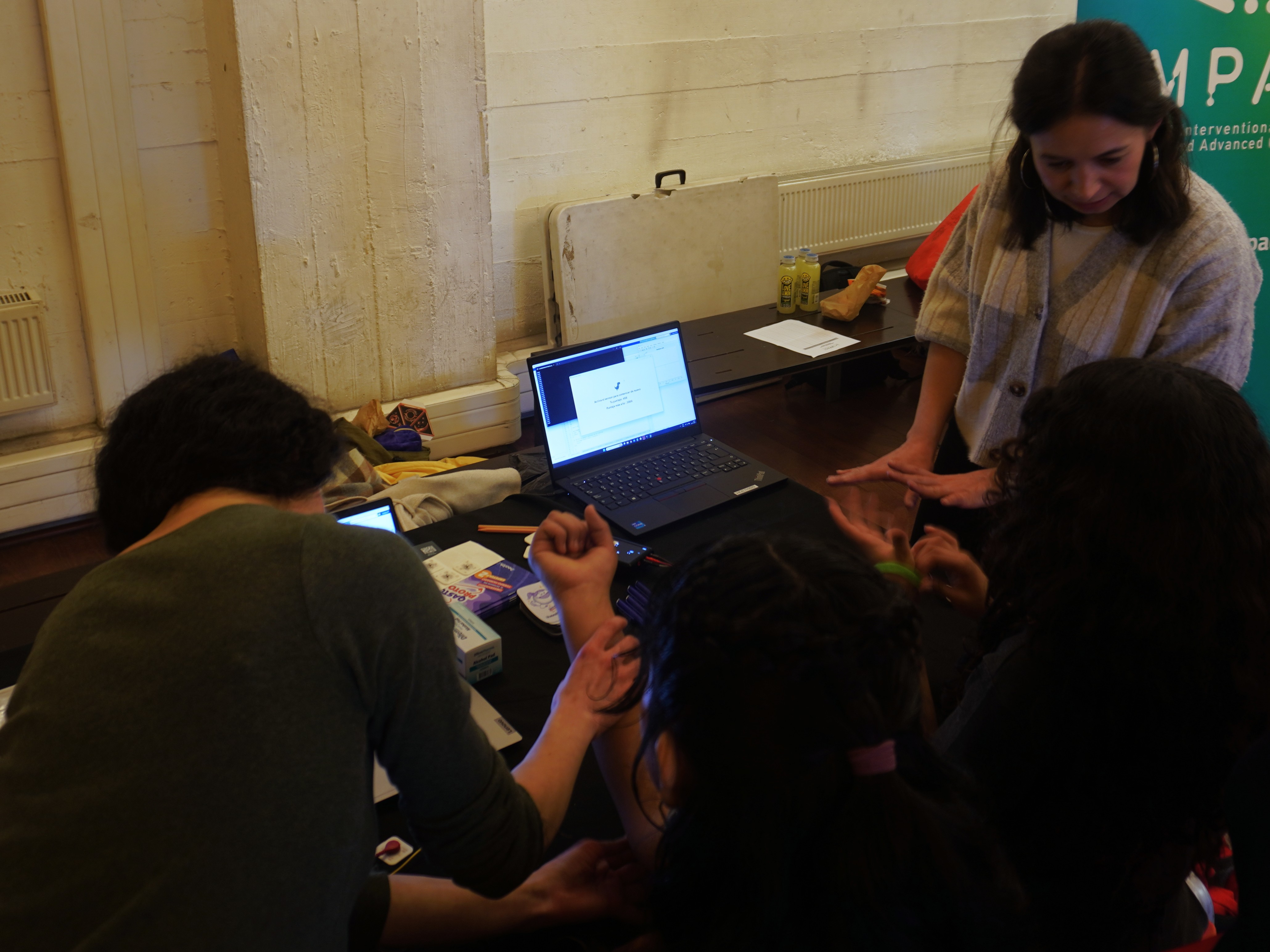
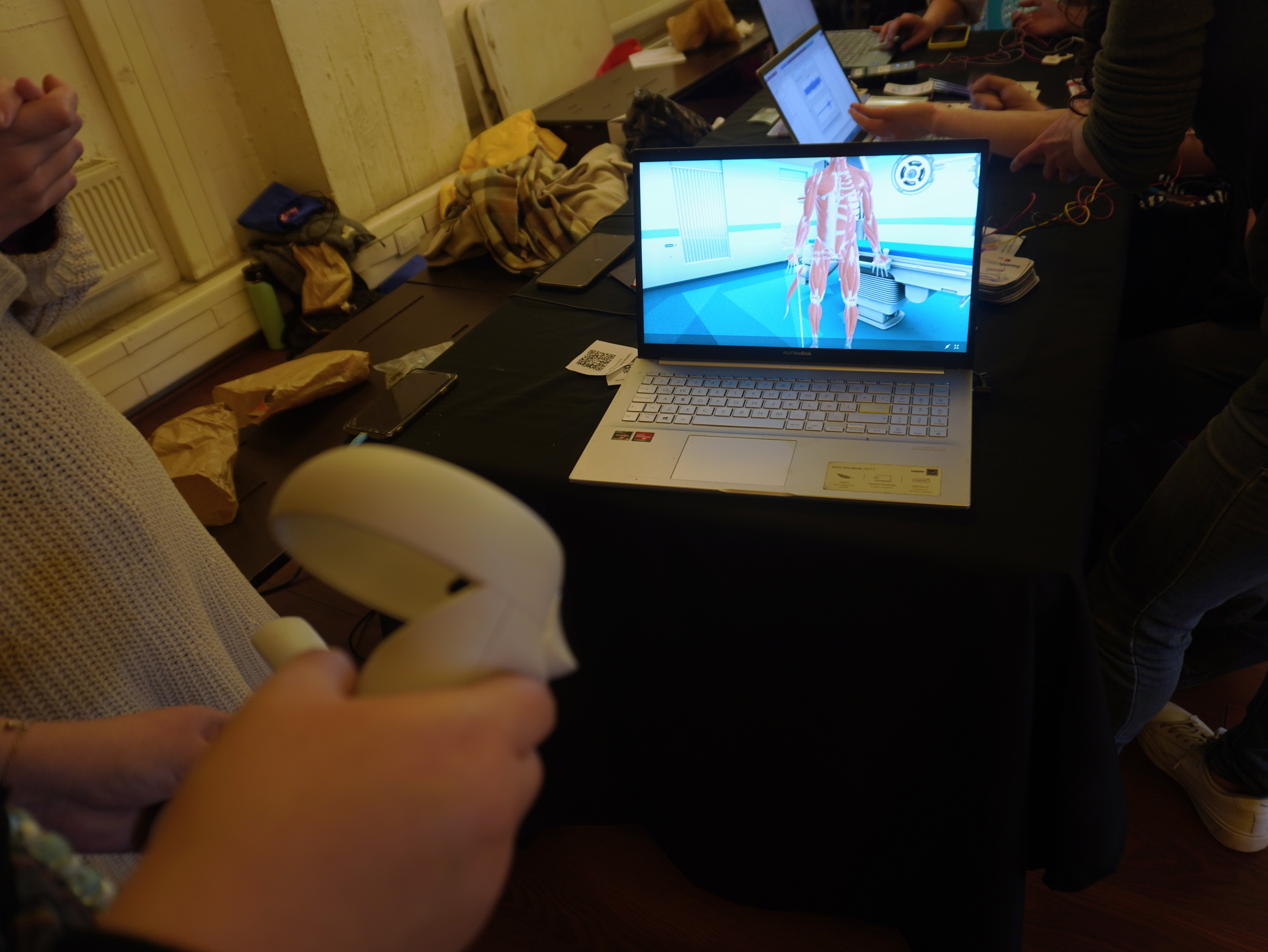
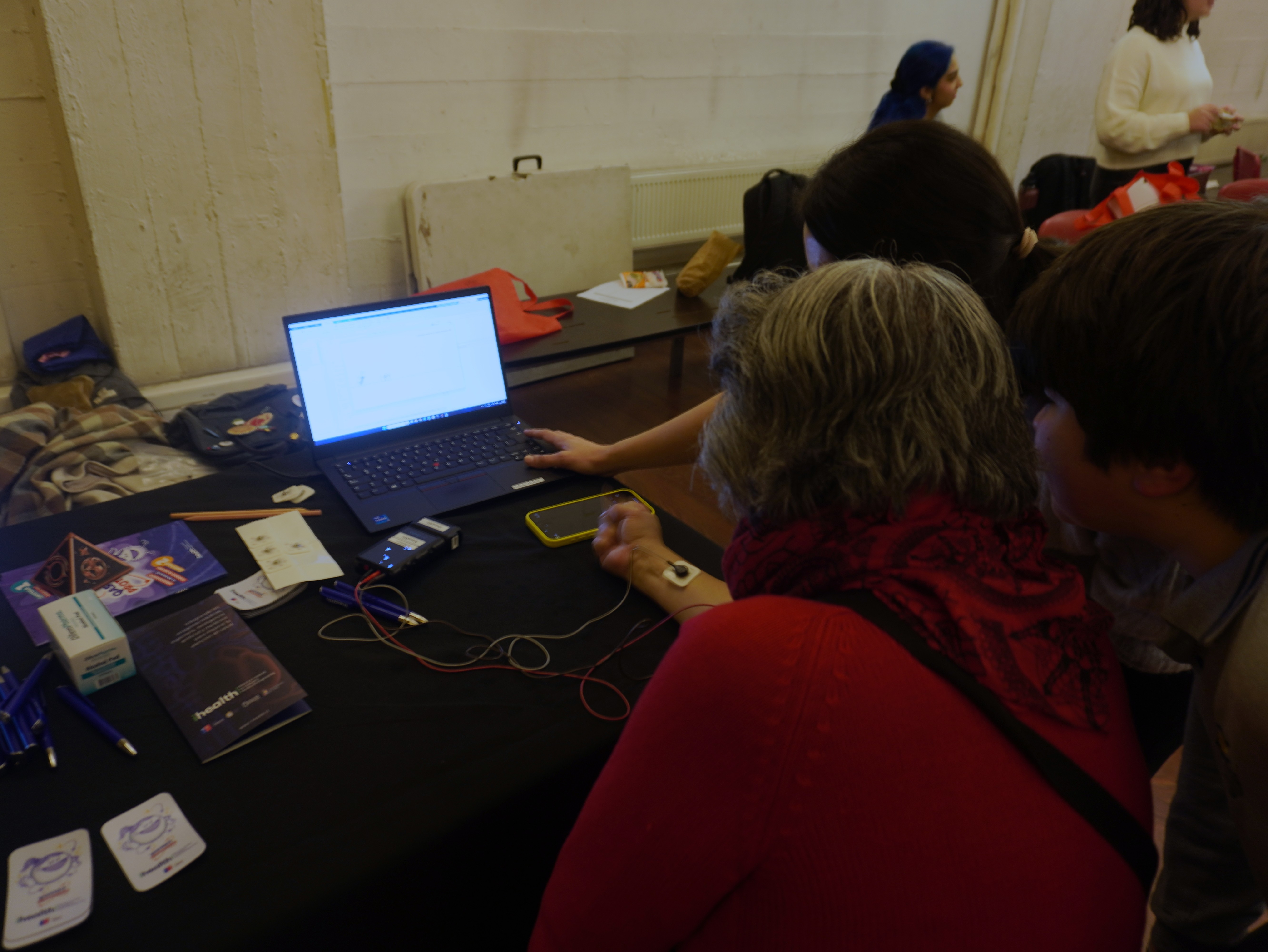
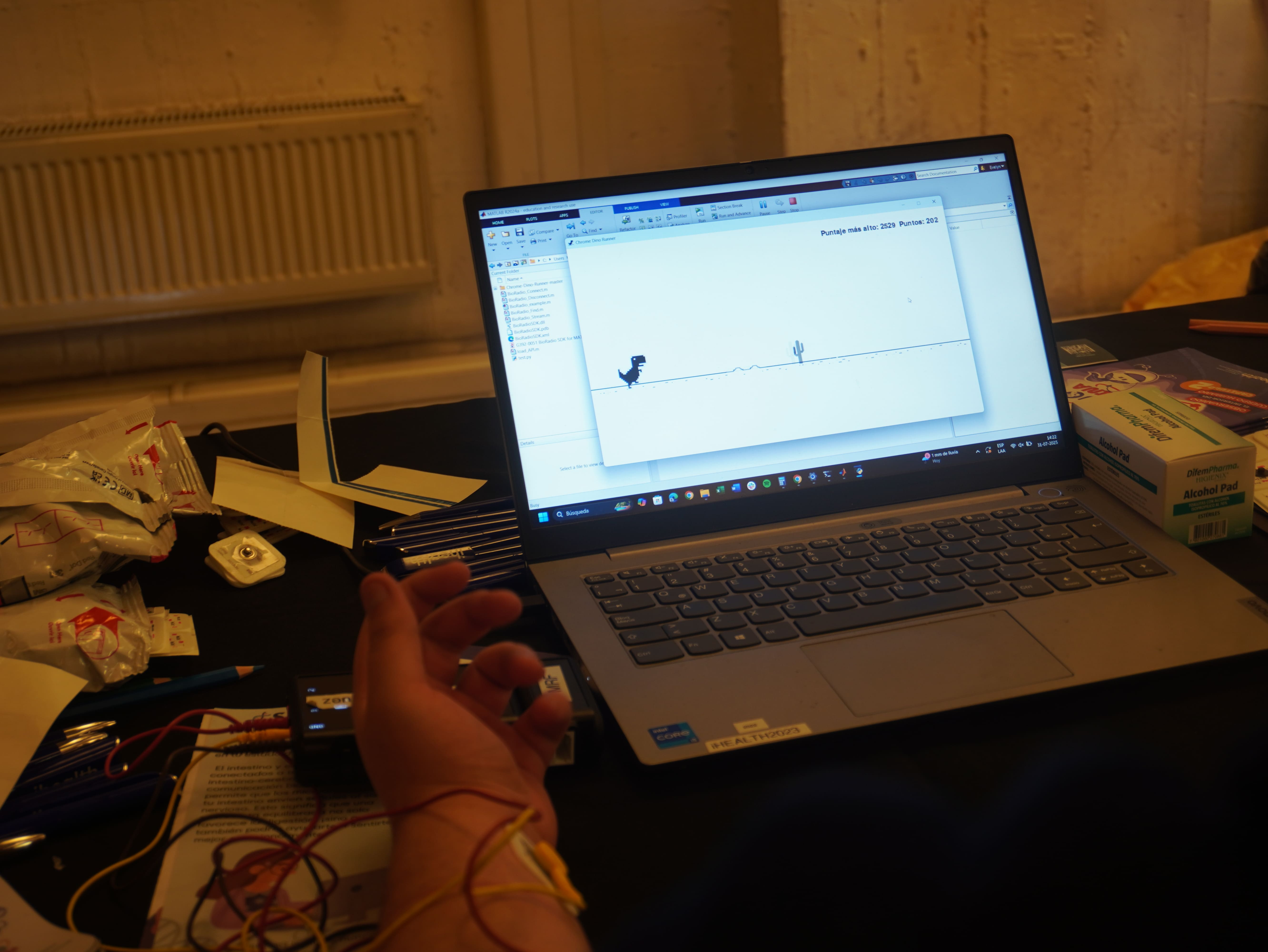
At the iHEALTH booth, visitors could control a dinosaur using the electrical signals from their arm muscles, interact with a 3D model of the human body through virtual reality, and take home a free copy of the comic Gastón & Protonina. The booth was staffed by a dedicated iHEALTH team: UC PhD students Karol Acevedo, Laura Manjarrés, Carlota Rivero, Matías Paredes, and Laura Parra; UC Engineering student Sofia Lozano; and iHEALTH postdoctoral researcher Dr. Evelyn Cueva.
Across the library, visitors also enjoyed booths from the Advanced Center for Chronic Diseases (ACCDiS) / PAR Explora RM Norte, the Center for Astrophysics and Related Technologies (CATA), the Center for Applied Ecology and Sustainability (CAPES UC), the Center for Intercultural and Indigenous Studies (CIIR), the Research Center for Integrated Disaster Risk Management (CIGIDEN), the Center for Interventional Precision Medicine and Advanced Cellular Therapy (IMPACT), the National Center for Artificial Intelligence (CENIA), the Center for Cancer Prevention and Control (CECAN) / Department of Basic-Clinical Oncology, University of Chile, the UC Faculty of Mathematics, the Faculty of Chemistry and Biology at USACH, the Institute of Astrophysical Studies at UDP, the Millennium Institute for Integrative Biology (iBio), the Millennium Institute of Oceanography (IMO) / Millennium Nucleus for the Study of Deoxygenation in the South Eastern Pacific Ocean (DEOXS), the Millennium Institute on Green Ammonia as an Energy Vector (MIGA), the Millennium Institute on Immunology and Immunotherapy (IMII), the Millennium Institute for Coastal Socio-Ecology (SECOS), the Millennium Institute for Depression Research (MIDAP), InvadeLab, the Interactive Museum of Mirador (MIM), the Millennium Nucleus on Bioproducts, Genomics and Environmental Microbiology (BioGEM), the Millennium Nucleus on Neuroepigenetics and Plasticity (EpiNeuro), Planetarium USACH, and the Talackutur Lithium Bio-R Ring project.
There was also a board games section where other institutions —such as the Institute of Ecology & Biodiversity (IEB)— invited visitors to try different science-themed games. A dedicated book area featured not only copies of Gastón & Protonina, but also publications from institutions including Asociación Kauyeken, Bosques de Mantagua, the Center for Sustainable Urban Development (CEDEUS), Ediciones Universidad Autónoma de Chile, UCSC Faculty of Medicine, the Chilean Antarctic Institute (INACH), the Agricultural Research Institute (INIA), the Millennium Institute for Research on Violence and Democracy (VioDemos), the Millennium Nucleus for Social Data Science (SODAS), Big Bang Productions, and Universidad Católica del Norte.
Additionally, the event included a small science market, featuring stands from Art_Beamin, Ciencia Entretenida, Ediciones Libro Verde, Telescopios Chile, and Wrangler Store.
The activity reinforced Winter with Science as a meeting space between science and the community, offering immersive experiences and close interactions aimed at sparking scientific curiosity in new generations and their families.