Over 160 Children Explore the Human Body with Gender-Focused STEM Kit
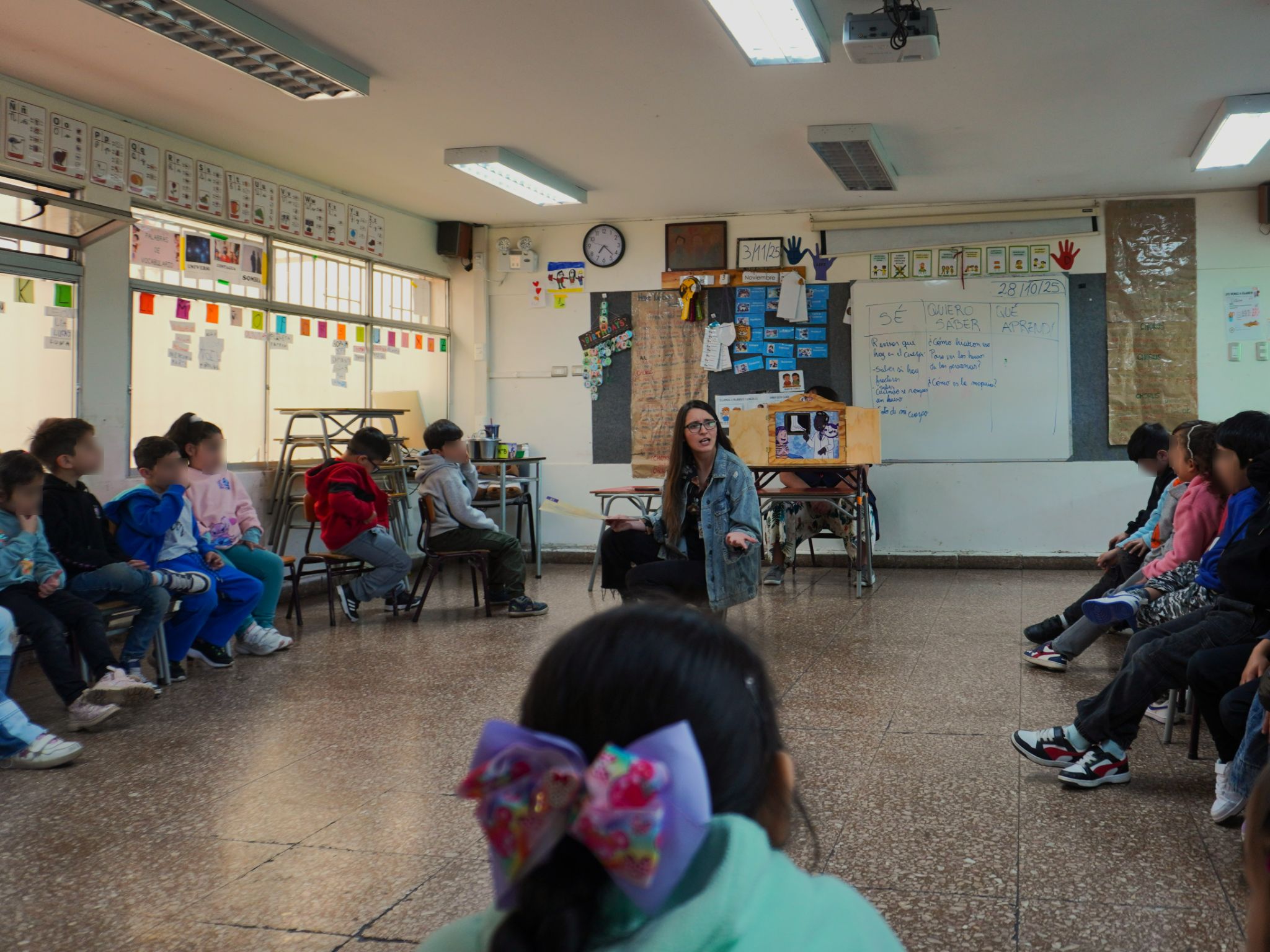
The iHEALTH Millennium Institute implemented an innovative educational experience in nine schools in the Metropolitan Region using X-rays and kamishibai theater to foster curiosity and dismantle gender stereotypes in science and technology from ages 4-5.
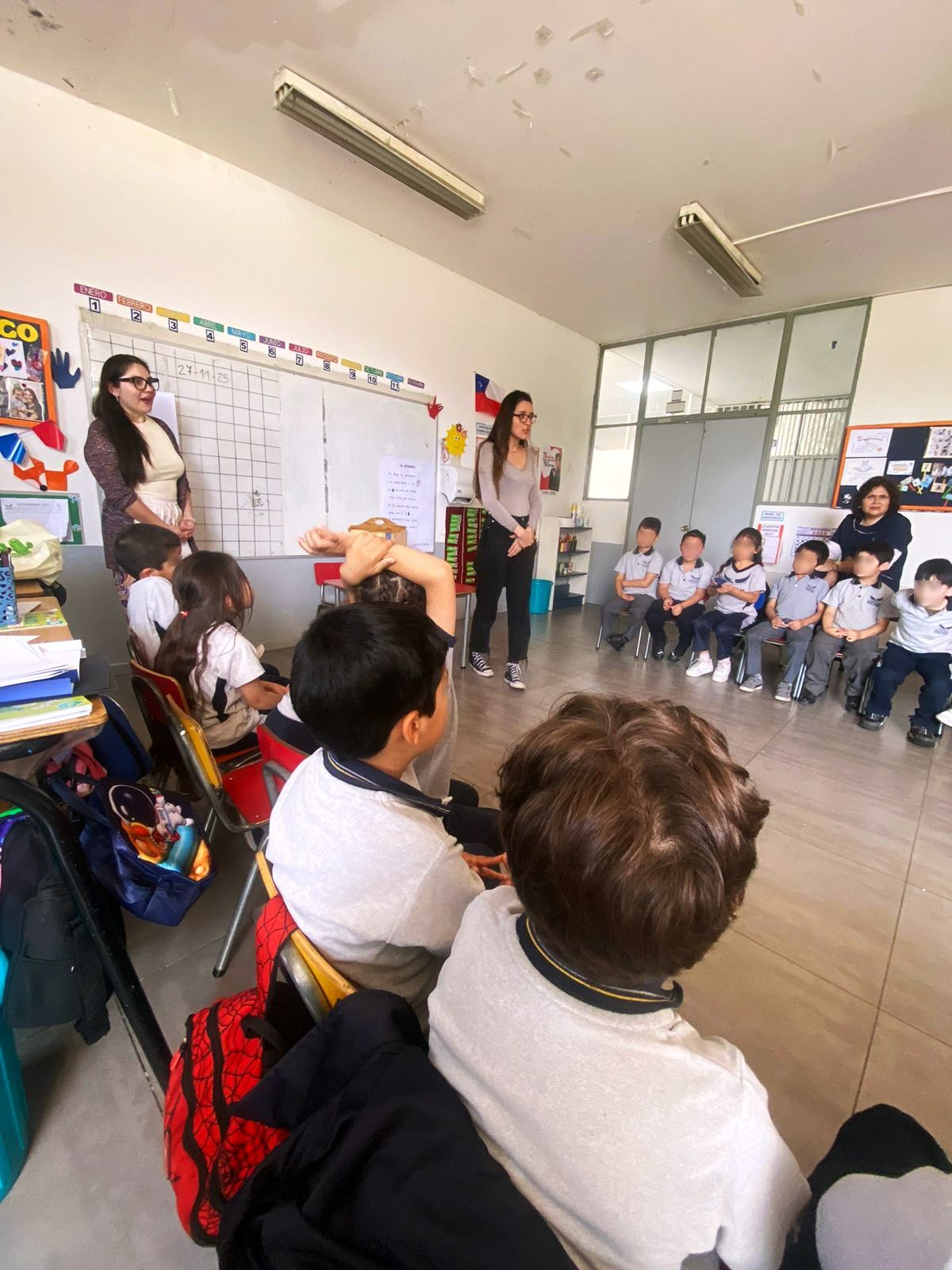
Between November and December 2025, the Millennium Institute in Engineering and Artificial Intelligence for Health (iHEALTH) implemented the project “Development of a gender-focused STEM kit for early childhood education” in nine educational institutions in the Metropolitan Region, benefiting 168 boys and girls aged 4 to 5 from public and subsidized schools.
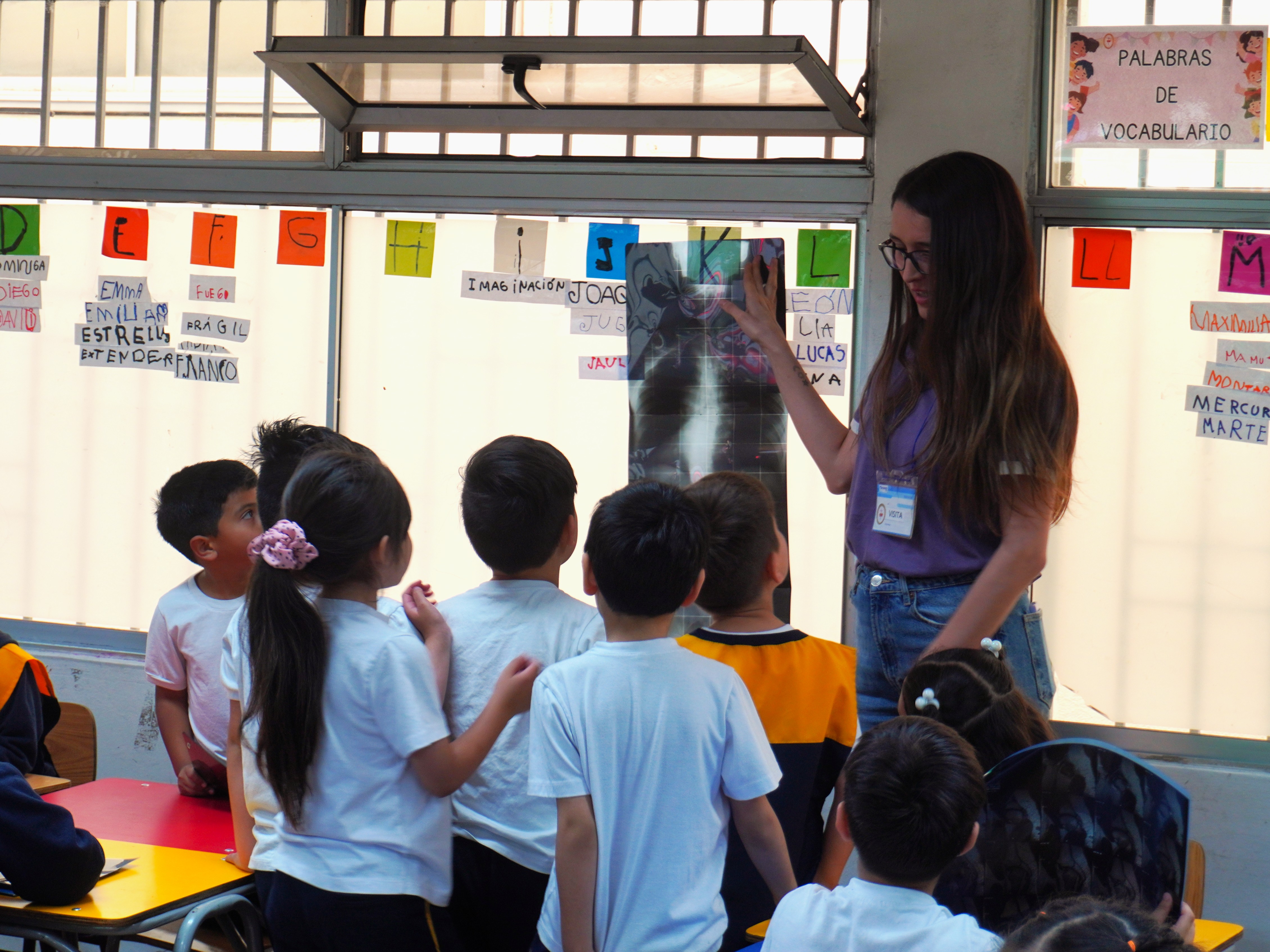
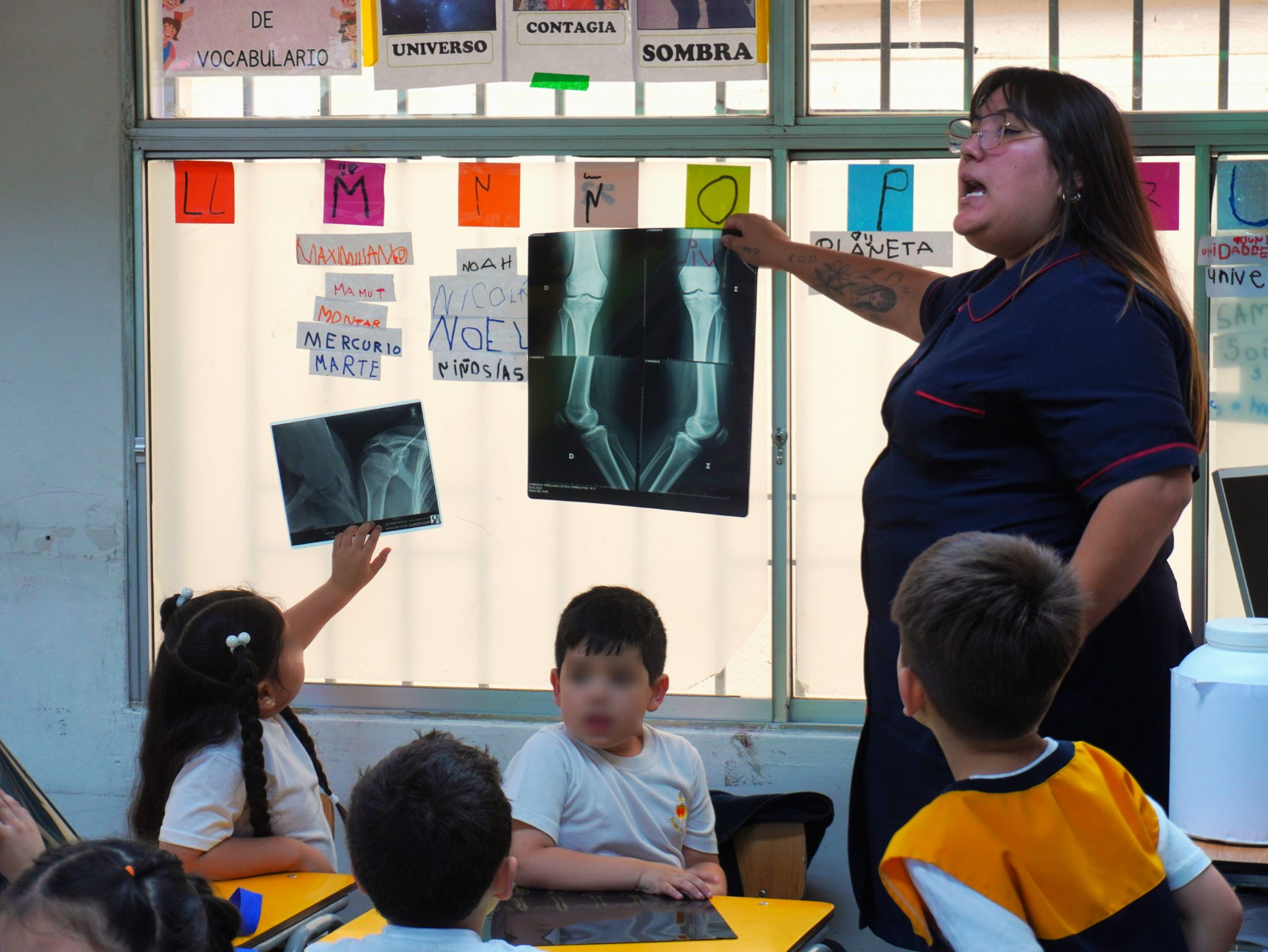
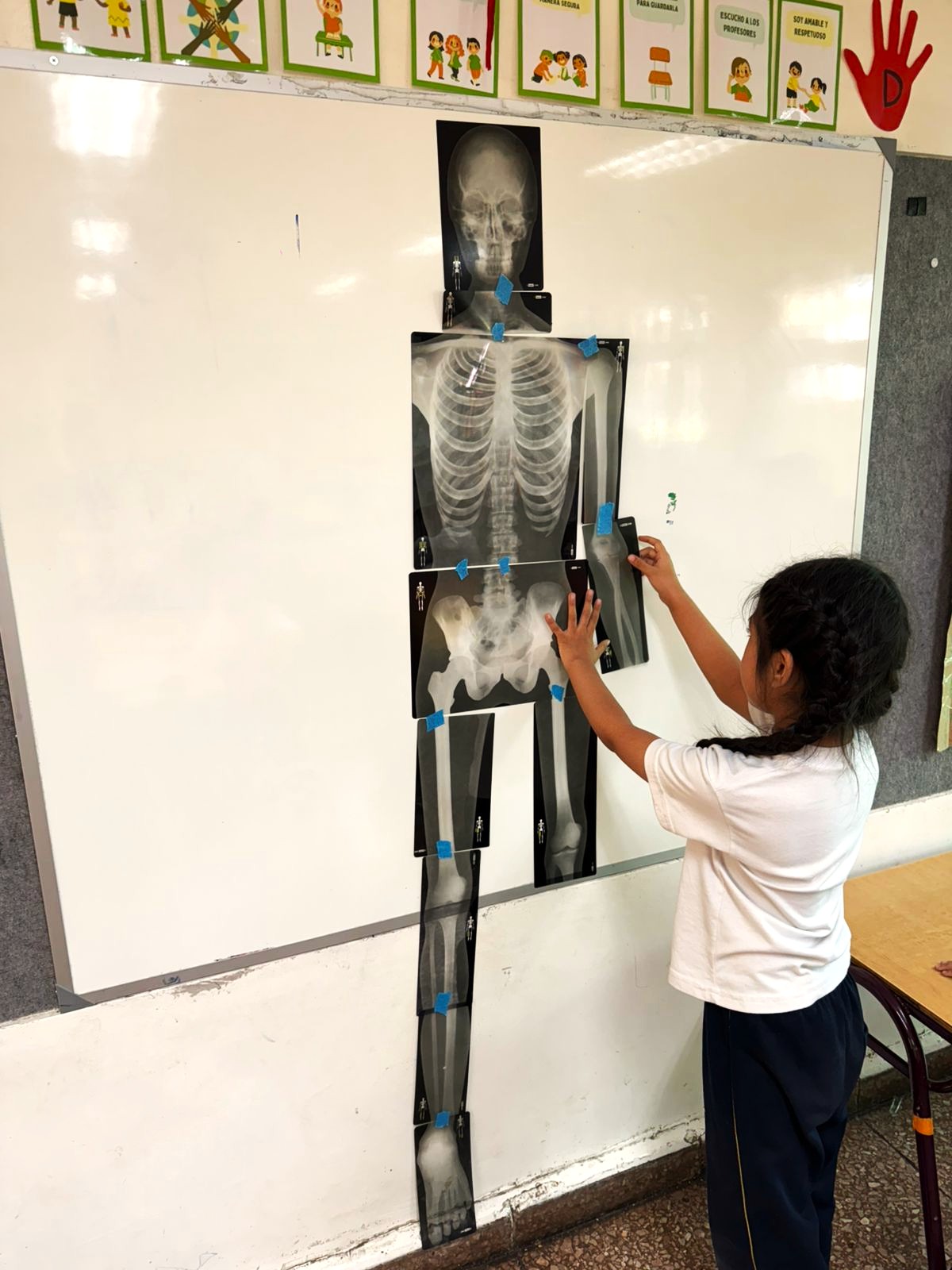
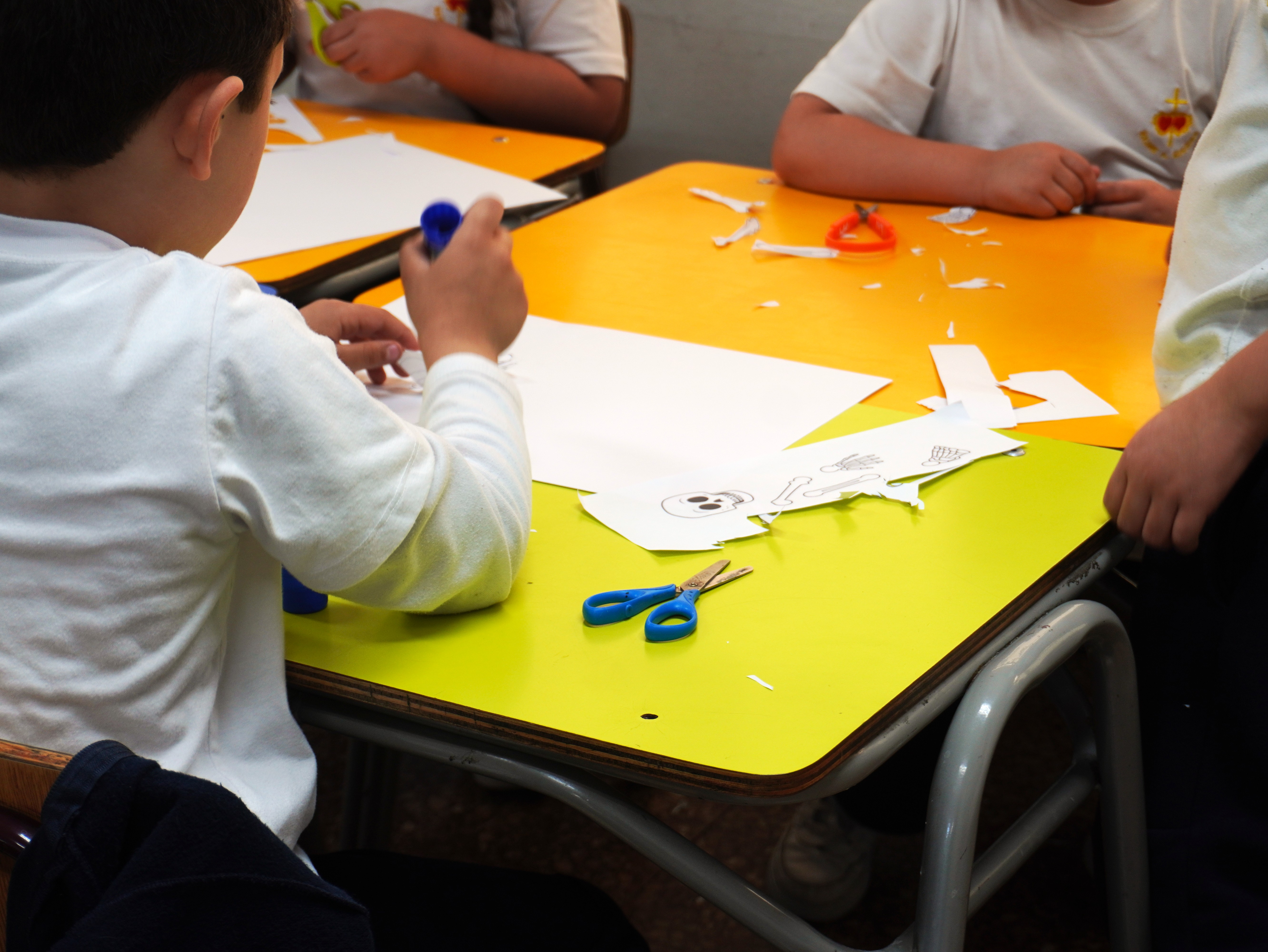
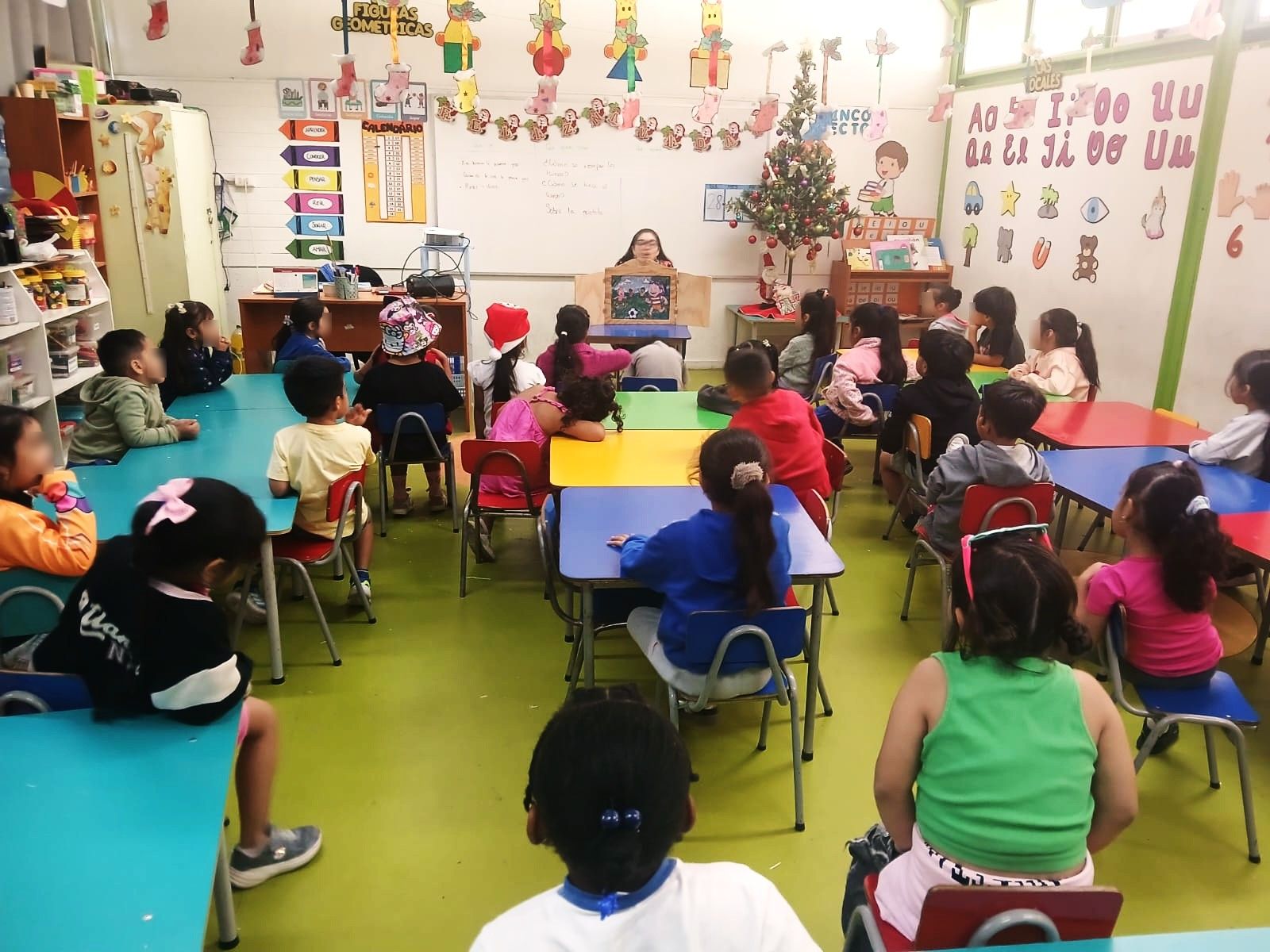
The initiative used an innovative methodology that combined storytelling through kamishibai theater, X-ray images, and hands-on activities to help young children explore the inside of the human body.
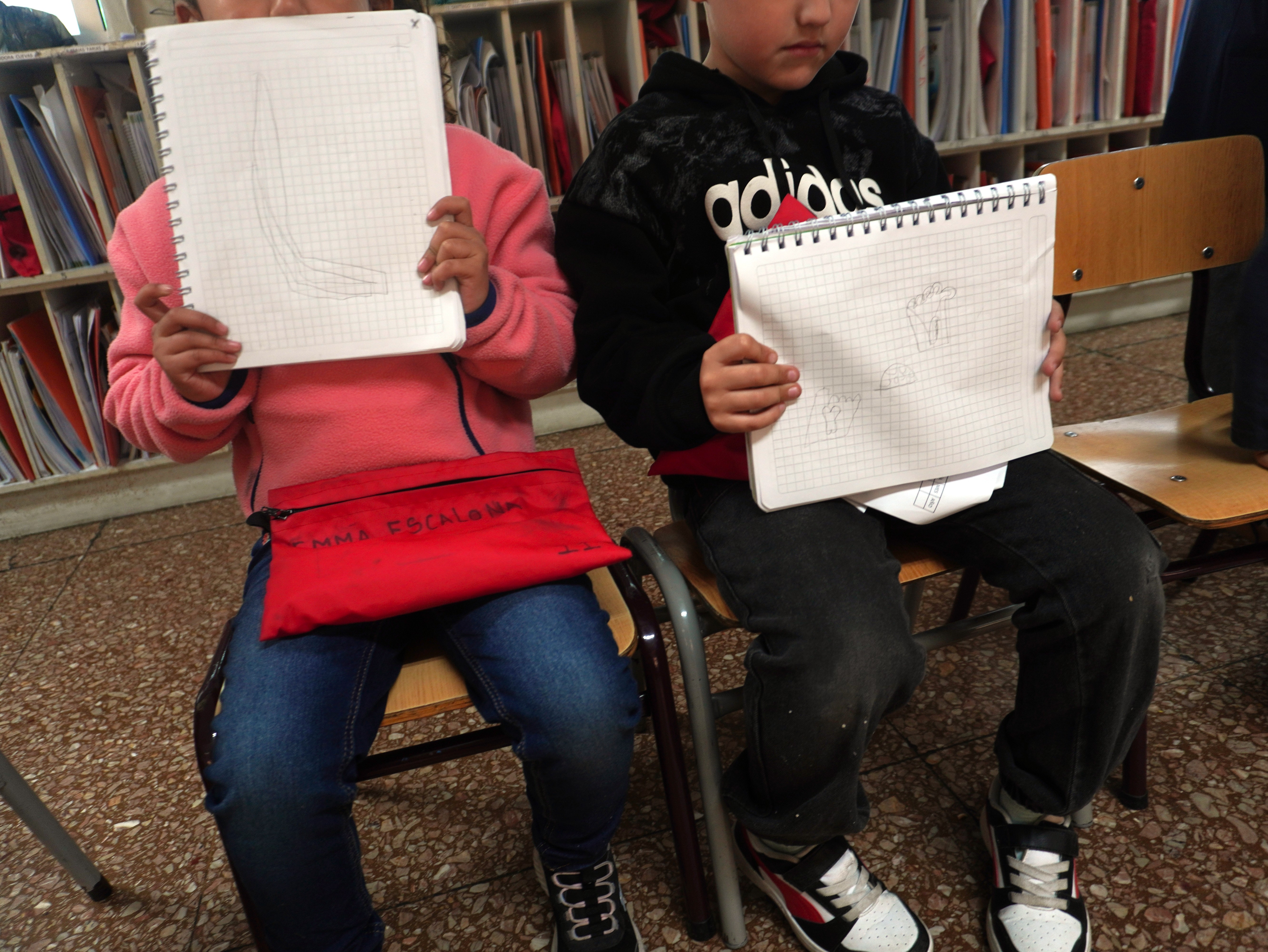
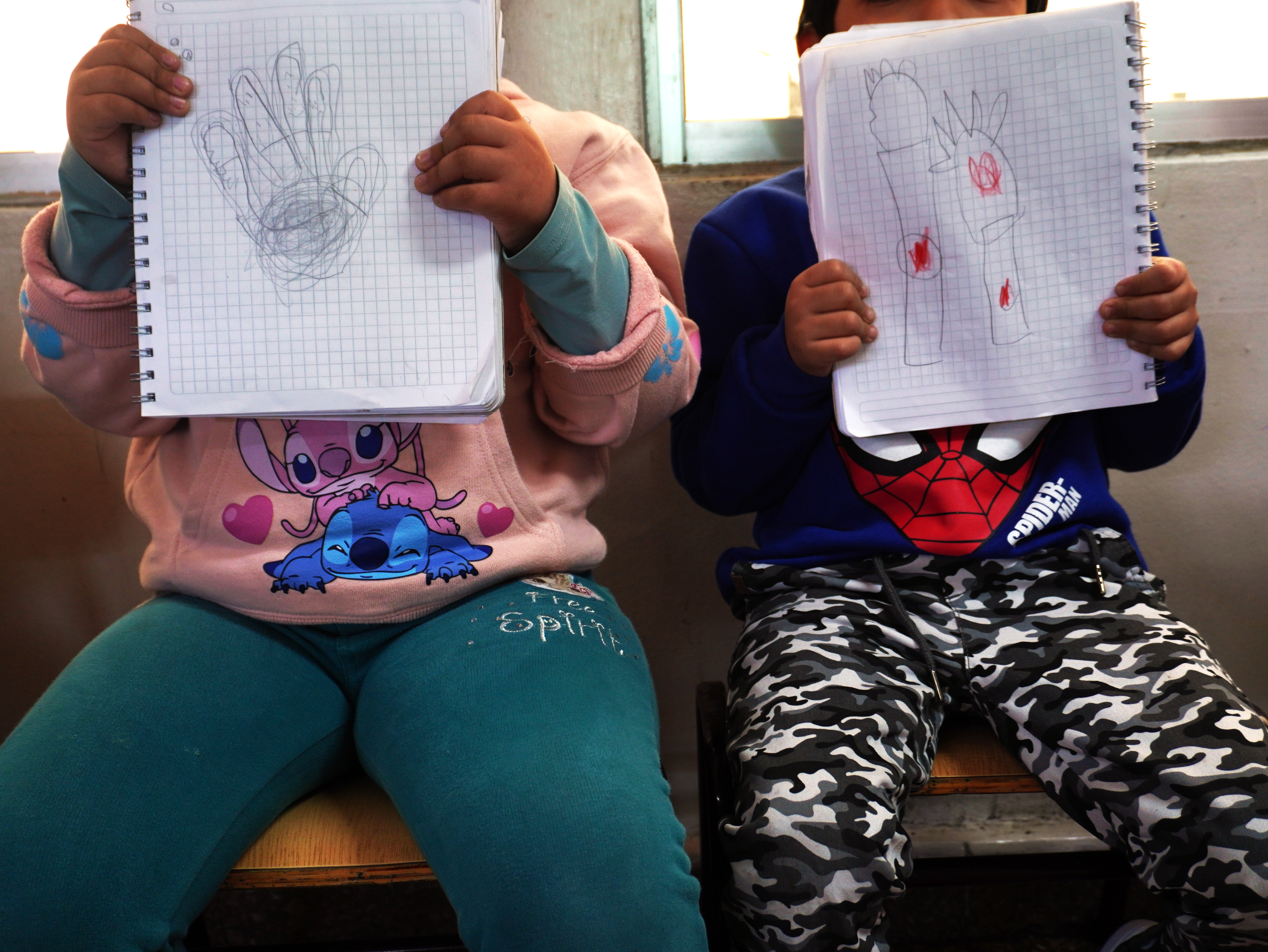
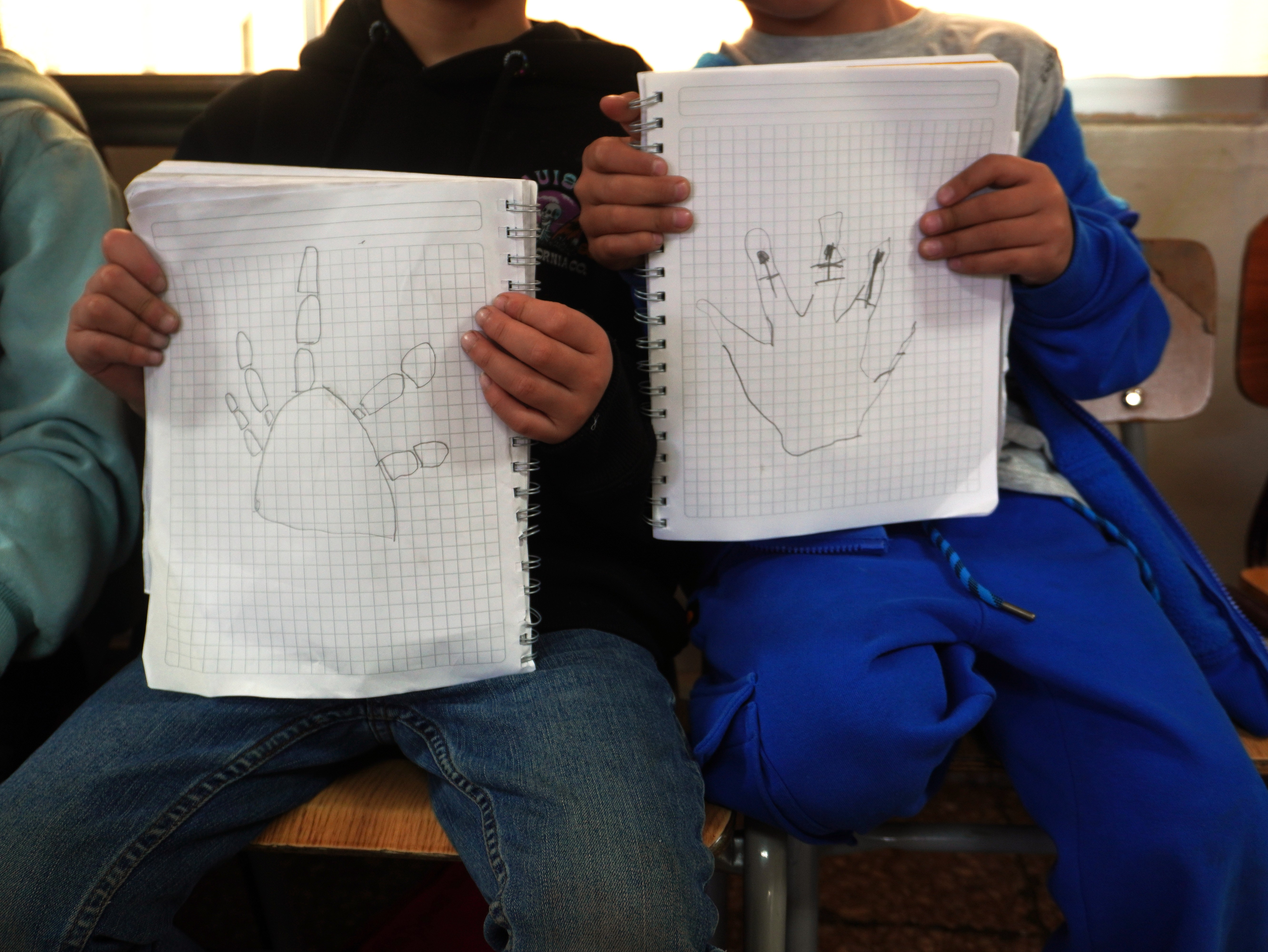
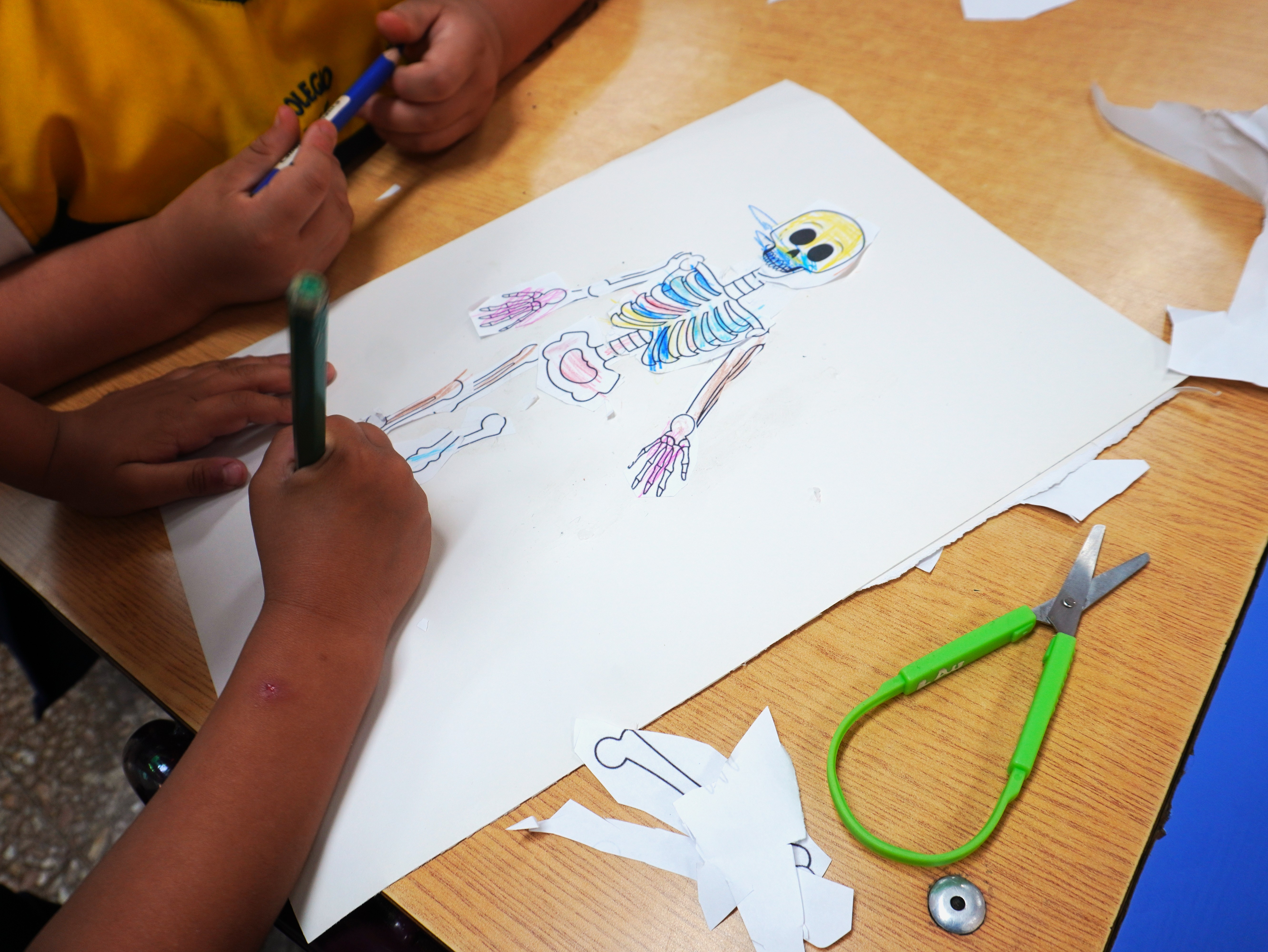
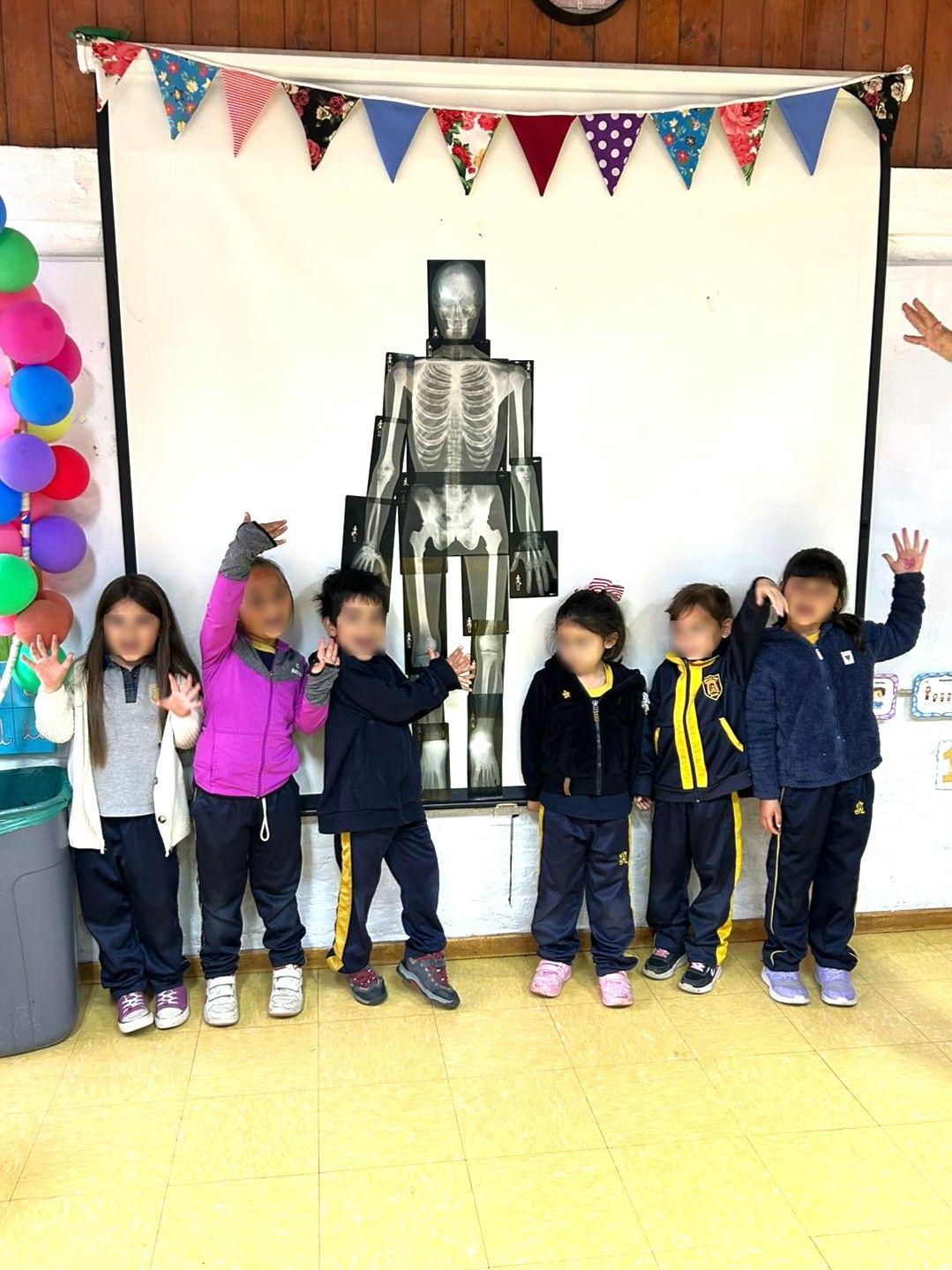
The project centered around the story “Flo & Protonina: The Mystery of the Broken Ankle”, a tale told through illustrations that sparked children’s curiosity about what’s inside the body and how we can use technology to observe it. The experience was complemented by observing life-size X-rays and creating drawings of their own bones, offering a first playful approach to medical science.
A transversal and practical gender focus was integrated into the pedagogical design, acknowledging that by age 5, boys and girls have already formed stereotyped expectations about who is “good at science.” Implementation included actions such as mindful language use, equitable role distribution when handling materials, ensuring equal leadership opportunities, and making female role models visible. These interventions aimed to create an environment where girls strengthen their scientific self-confidence from an early age, addressing the gender gap in STEM at its earliest roots.
Participating institutions were: Colegio Madre Ana Eugenia (Pudahuel), Lincoln College San Martín (Maipú), Colegio Carlos Fernández Peña (Peñalolén), Liceo República de Brasil (Santiago), Centro Educacional Diego de Almagro (Peñalolén), Escuela Unión Nacional Árabe (Peñalolén), Liceo Alto Jahuel (Buin), Escuela F-64 Piloto Pardo (Santiago), and Escuela Básica República de Colombia (Santiago).
Dr. Claudia Prieto, professor at the UC School of Engineering and Director of iHEALTH, stated that “this project reflects our commitment to gender equity in science from the earliest ages. If we want to encourage more girls to become interested in STEM fields, we must start inspiring them from their first years”.
Early childhood educators highlighted the activity’s impact on their students. “They loved it; they were very focused. I liked the moment when they had to draw their bones, and their way of expressing their imagination of what their bones looked like was incredible”, commented one of the participating teachers.
Another educator valued “the material, which was very engaging for the students” and noted that “addressing the topic of bones was very appealing to the children because normally one sees the outside of the body, not the inside”.
The project included the delivery of a complete educational kit to each institution, containing a kamishibai theater, illustrated story cards, a set of X-rays, and a copy of the pedagogical guide with guidance for implementing STEM with a gender focus. The material was designed so that educators could replicate the experience autonomously.
Jorge Bolton, project coordinator, added: “Seeing the curiosity in the children’s eyes when they discovered they could ‘see’ their bones confirms that science should arrive early, through creative methodologies free of stereotypes”.
The initiative is part of iHEALTH’s Gender Equality and Diversity Strategy, which seeks to reduce the gender gap in STEM fields, where in Chile only 19.7% of enrollment in technical and professional careers corresponds to women.
The project also connects with the Institute’s Outreach and Community Engagement Strategy, which promotes scientific inspiration from childhood through interactive and accessible experiences.
Following the successful implementation in 2025, iHEALTH is evaluating extending the project to more schools during the year and developing digital versions of the kit to expand its reach nationwide.