Chilean researcher the only Latin American at ISMRM workshop
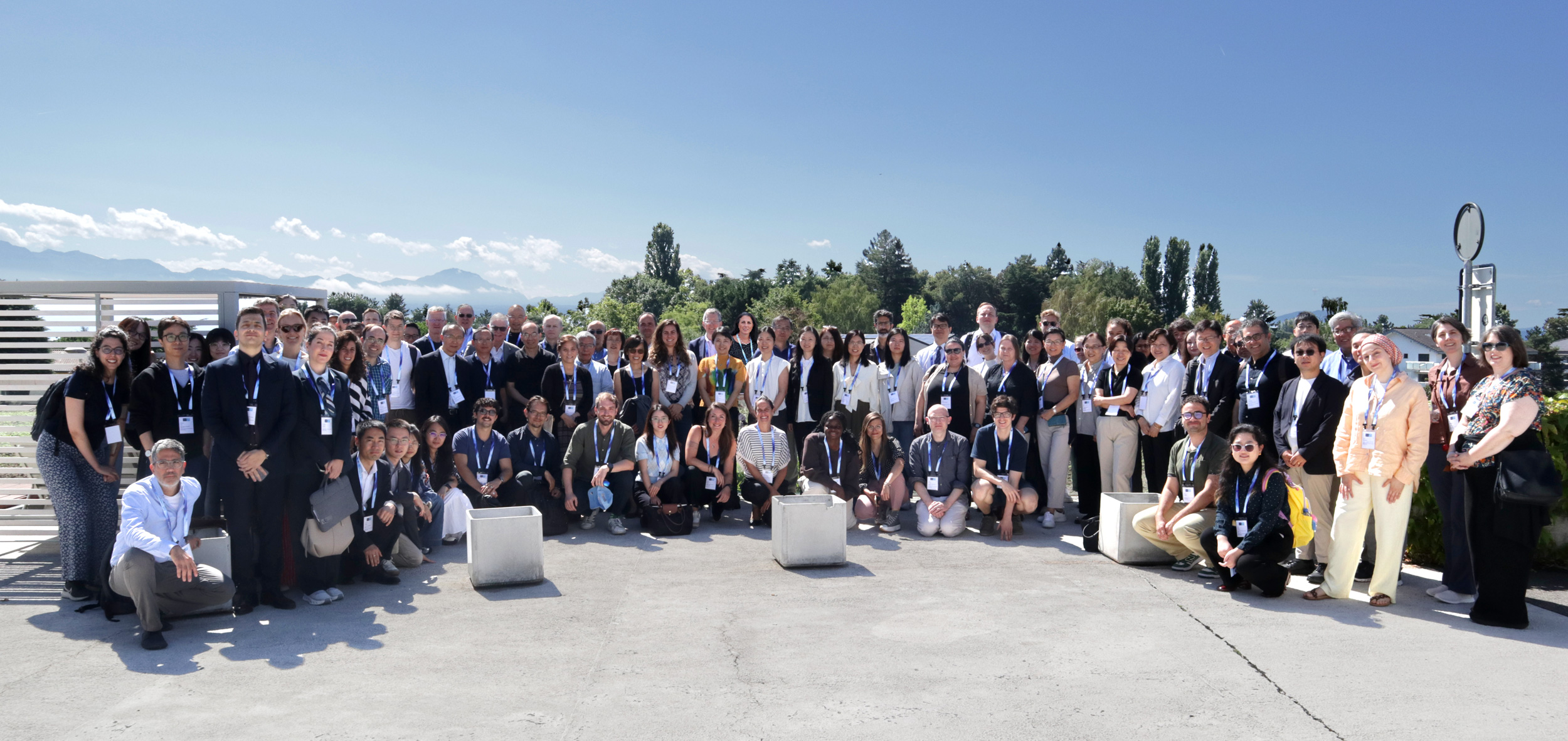
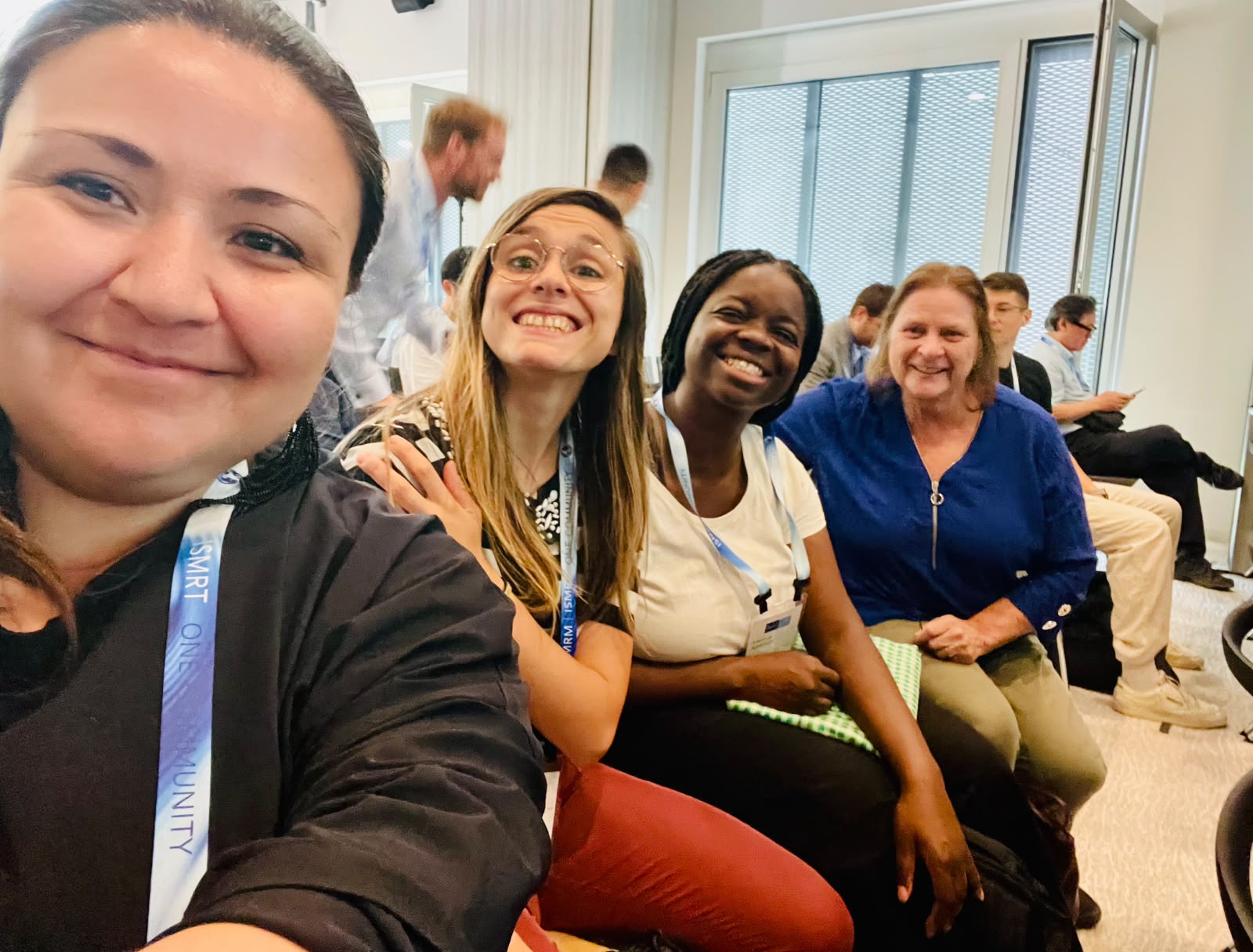
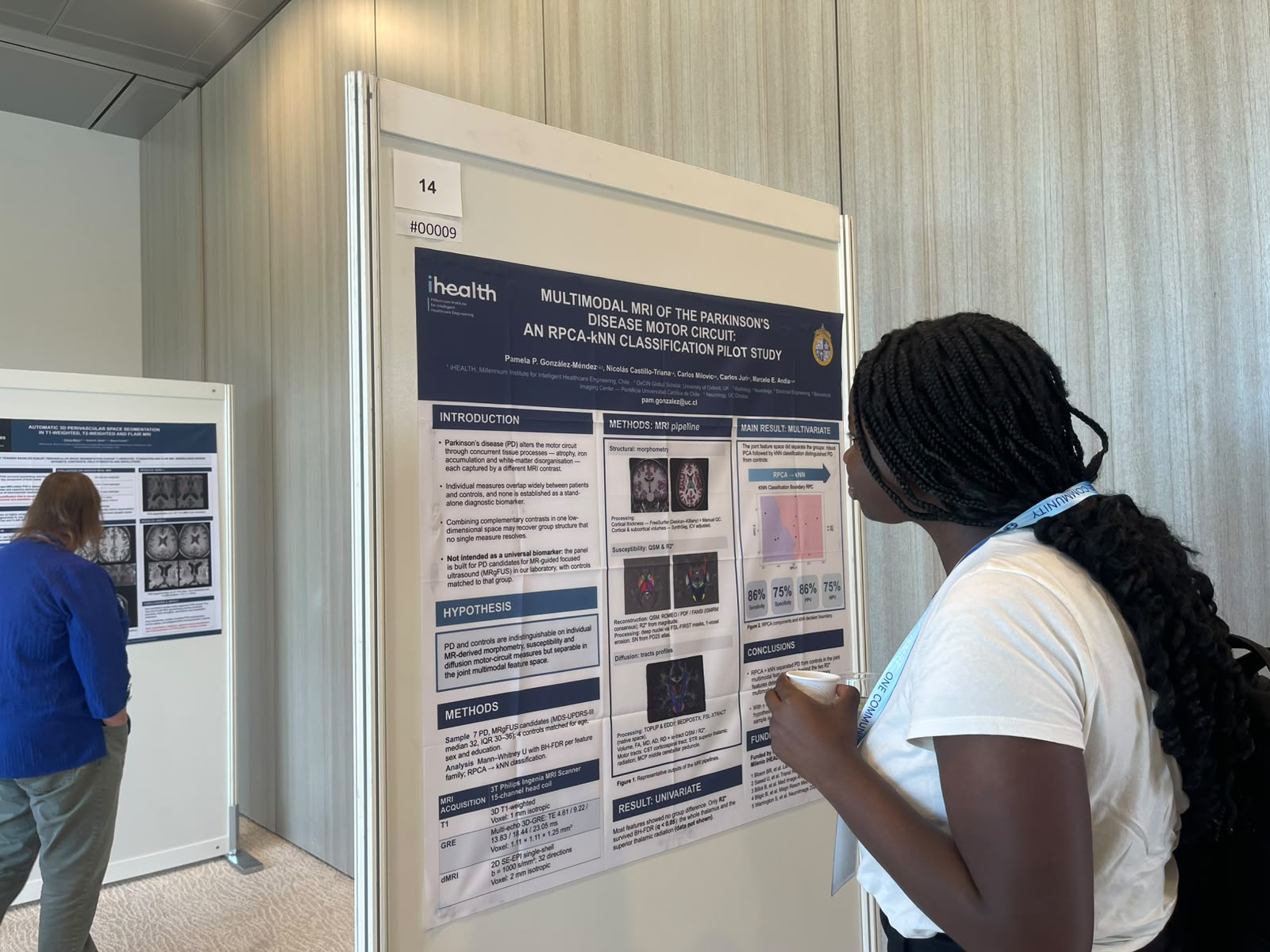
Pamela González, a PhD student at the Pontificia Universidad Católica de Chile and researcher at iHEALTH, was the only representative from the region at the 2026 ISMRM Workshop: Advancing Translational MR Neuroimaging — Towards Imaging Biomarkers in Psychiatry and Neurodegeneration, held August 25–27 in Lausanne, Switzerland.
The meeting, organized by the International Society for Magnetic Resonance in Medicine (ISMRM), brought together MRI scientists, clinicians, and technologists from around the world around a shared goal: accelerating the translation of advanced MRI technologies into clinically relevant biomarkers for psychiatric and neurodegenerative disorders.
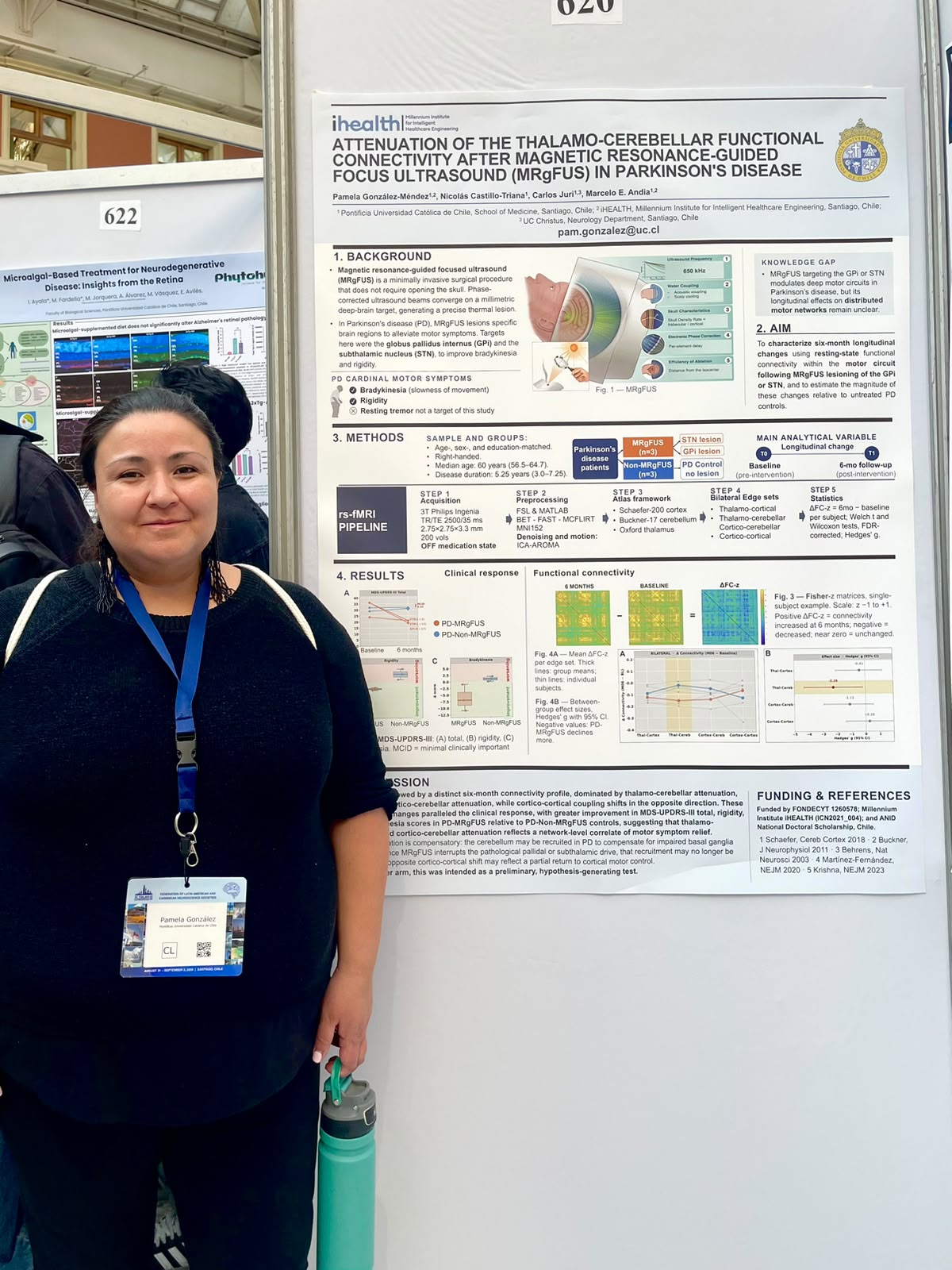
Pamela González's research focuses on Parkinson's disease, the second most common neurodegenerative disease in the world. "It's a highly heterogeneous disease: under a single diagnosis, people present with different symptoms, rates of progression, and treatment responses," she explains. "Until a cure exists, we need to preserve functionality and quality of life by researching treatments and better defining who can benefit from each one."
Her work studies how the brain changes following treatment with MRI-guided focused ultrasound, a procedure that creates a precise therapeutic lesion in deep structures of the motor circuit — without opening the skull or implanting electrodes — to relieve certain symptoms in selected patients.
"We use advanced quantitative neuroimaging to study brain connectivity, tissue composition, and the microstructure of white matter fibers. We're especially interested in what happens during the months following the intervention," she details. Understanding these changes and their relationship to clinical improvement could, in the future, help more precisely identify who is most likely to respond to treatment and move toward therapeutic decisions tailored to each person's profile.
Reflecting on what she saw at the workshop, González highlights a shift toward a more biological characterization of psychiatric and neurodegenerative diseases. "Diagnosis and follow-up rely mainly on the symptoms patients report, specialist evaluation, and clinical scales. These tools are indispensable, but they don't always capture subtle changes or reveal the biological processes behind them," she notes. "Neuroimaging aims to complement that evaluation with quantitative measures. The challenge is that these measures need to be sufficiently reproducible and validated across different populations to guide individual decisions — and for that, we need large, diverse cohorts."
For her own line of research, she adds, the main takeaway from the meeting was learning about strategies to expand the study cohort and bring in other centers, through harmonized protocols, normative models, and international networks.
Asked about the level of Chilean and Latin American research compared with what she saw at the conference, González is clear: "In the quality of the questions and the methodological rigor, the region holds its own. The main gap is in the infrastructure and funding needed to recruit larger cohorts and sustain long-term follow-up."
To close that gap, Pamela argues that Chile needs sustained funding and ties both within Latin America — where clinical challenges are shared — and with major international consortia. "We have something valuable to contribute: populations and clinical contexts still underrepresented in the large databases. That diversity is necessary to prove that models work outside the populations in which they were developed. Participating in these networks benefits our region, but it also strengthens international research."
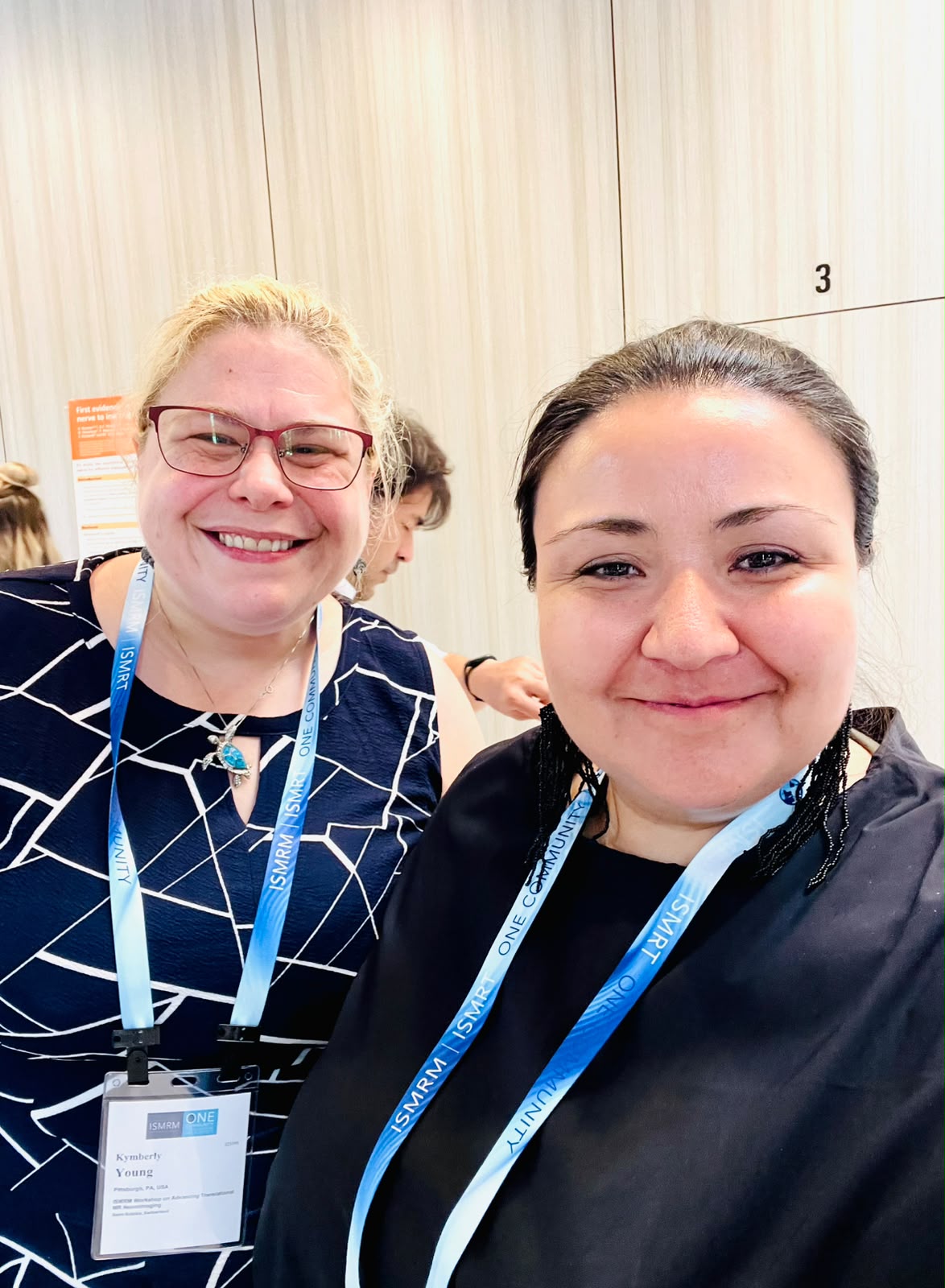
Being the only one presenting from her context in that setting was, she says, a reason for gratitude and also a concrete opportunity: "It mattered to me to convey that rigorous research is being done here, with relevant questions, and to share our experience with researchers from other contexts. The most concrete outcome was that the presentation served as a point of connection: collaborations were established during the workshop with groups interested in similar methodological questions. That's worth more than visibility alone, because it opens the door to joint research."
The next step is to expand the cohort and incorporate long-term follow-up, to confirm the stability of the method and relate imaging changes to clinical progression — a foundation on which to later assess its individual predictive capacity using data from other centers.
Closing the interview, González sums up the spirit of the meeting: "The workshop showed that the potential of MRI is far from exhausted and that it remains a highly valuable tool for investigating brain diseases. However, technical sophistication alone doesn't solve the problem. Without rigorous validation, harmonized protocols, and collaboration, the most advanced methods can end up in a publication without ever reaching the patient. Translating these advances into concrete benefits requires ongoing dialogue between researchers, clinical teams, and the people living with the disease and their support networks."
The 2026 ISMRM Workshop "Advancing Translational MR Neuroimaging: Towards Imaging Biomarkers in Psychiatry and Neurodegeneration" was held in Lausanne, Switzerland, with support from the CIBM Center for Biomedical Imaging and EPFL. The next edition of the ISMRM's international conference will take place in Vancouver, Canada.