Chilean research using artificial intelligence anticipates Alzheimer’s risk
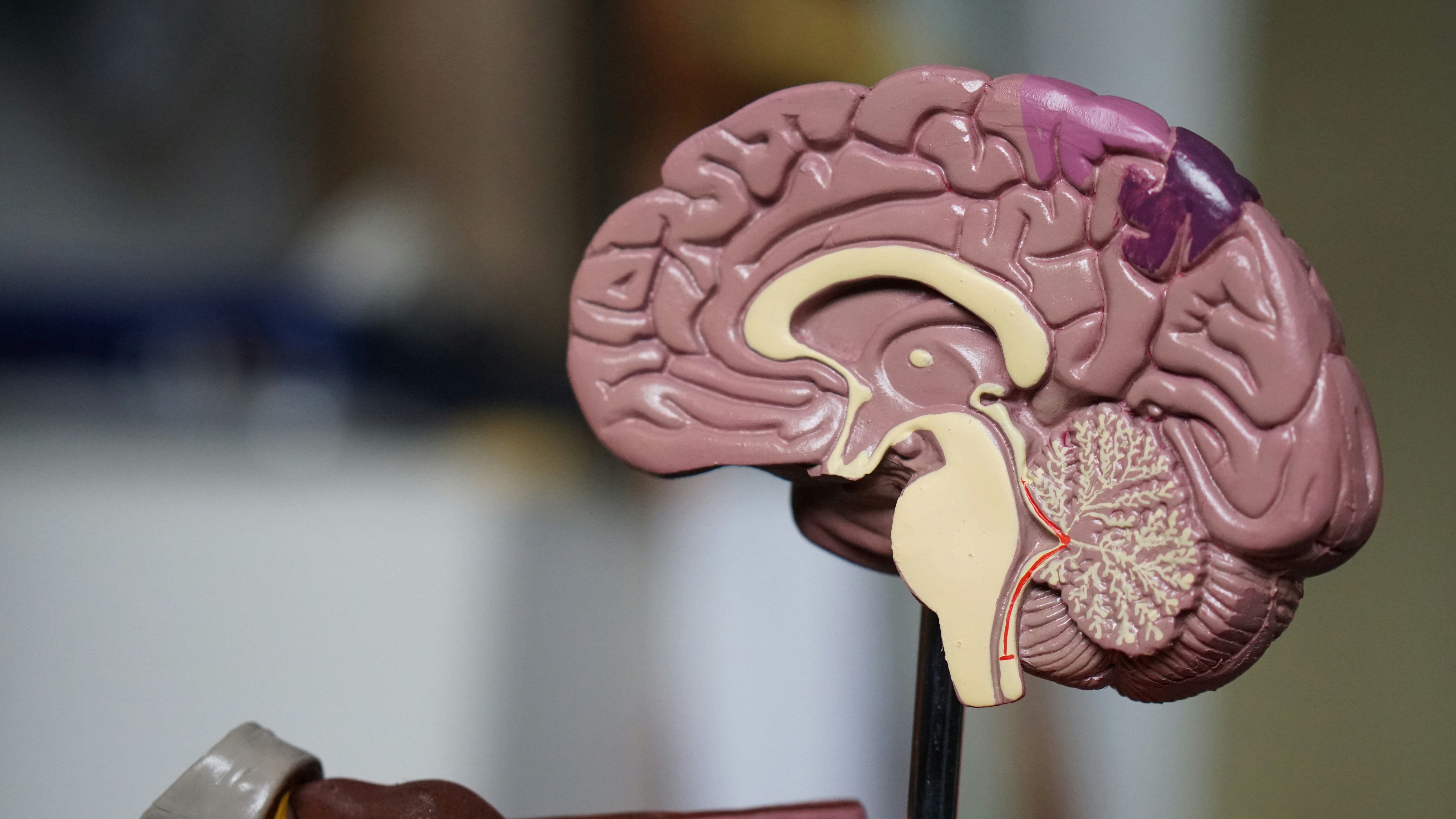
The study combines magnetic resonance imaging and explainable artificial intelligence techniques to anticipate the risk of Alzheimer’s disease and enable early interventions.
A team from the University of Chile and the Millennium Institute for Intelligent Healthcare Engineering (iHEALTH) successfully identified, with high accuracy, individuals with mild cognitive complaints who later developed Alzheimer’s disease, using an artificial intelligence (AI) model that analyzes multiple types of brain magnetic resonance images.
The study, led by Jhon Intriago, Ph.D. student in Electrical Engineering, under the supervision of Dr. Pablo Estévez, professor at the University of Chile and iHEALTH researcher, was carried out in collaboration with Dr. Andrea Slachevsky, principal investigator at GERO, and Dr. Cecilia Okuma, neuroradiologist at the Dr. Alfonso Asenjo Institute of Neurosurgery and adjunct researcher at iHEALTH. This work represents a significant advance in the early detection of a disease that affects more than 200,000 Chileans.
Concrete results in the Chilean population
The research applied the AI model to 158 individuals with cognitive complaints (concerns about mild memory loss) who are part of a long-term follow-up group at the Center for Geroscience, Mental Health and Metabolism (GERO), where participants are monitored over time to study their progression. The results showed that the algorithm correctly identified 6 out of 7 patients who later developed Alzheimer’s, outperforming traditional plasma biomarkers commonly used in clinical practice.
“This is the first study to integrate tools such as out-of-distribution multimodal learning with explainable AI to identify potential early biomarkers of Alzheimer’s in people with cognitive complaints,” said Intriago. The research combined structural and functional MRI scans with demographic data from patients to generate the model.
Dr. Pablo Estévez and Jhon Intriago. Courtesy of iHEALTH.
Technology that explains its own decisions
A key innovation of this work is the incorporation of explainable AI techniques, which make it possible to identify which brain regions are most relevant for the diagnosis. The model detected biomarkers in areas associated with cognition, action, and perception.
“The fusion of different types of data improves not only classification accuracy but also the identification of early biomarkers,” explained Dr. Estévez. “This is crucial to gain physicians’ trust and eventually integrate these tools into clinical practice,” he added.
“Early detection of Alzheimer’s is essential because it could help identify treatments that change or delay the natural course of the disorder,” noted Intriago. “Our model suggests that around 10% of people reporting memory problems may be at risk of developing the disease.”
The results have been submitted to an international scientific journal and represent a step toward the personalization of prevention and early intervention strategies for Alzheimer’s — a condition projected to become one of the leading causes of disability among older adults in the coming decades.
