A low-field magnetic resonator was inaugurated that will allow Chilean scientists to make high-resolution images.
It is the first exclusive resonator for research in Chile and the only 0.55T resonator in Latin America
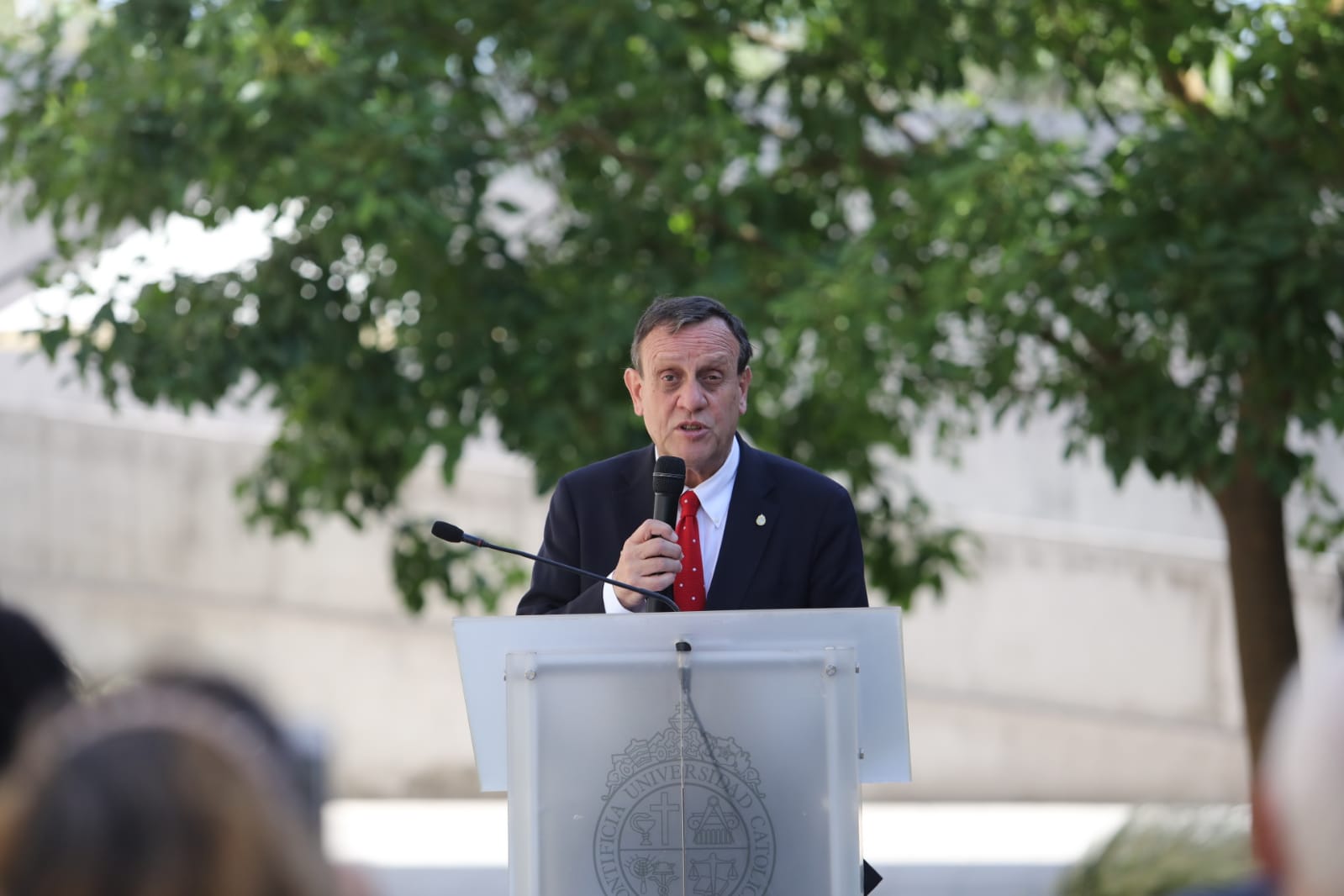
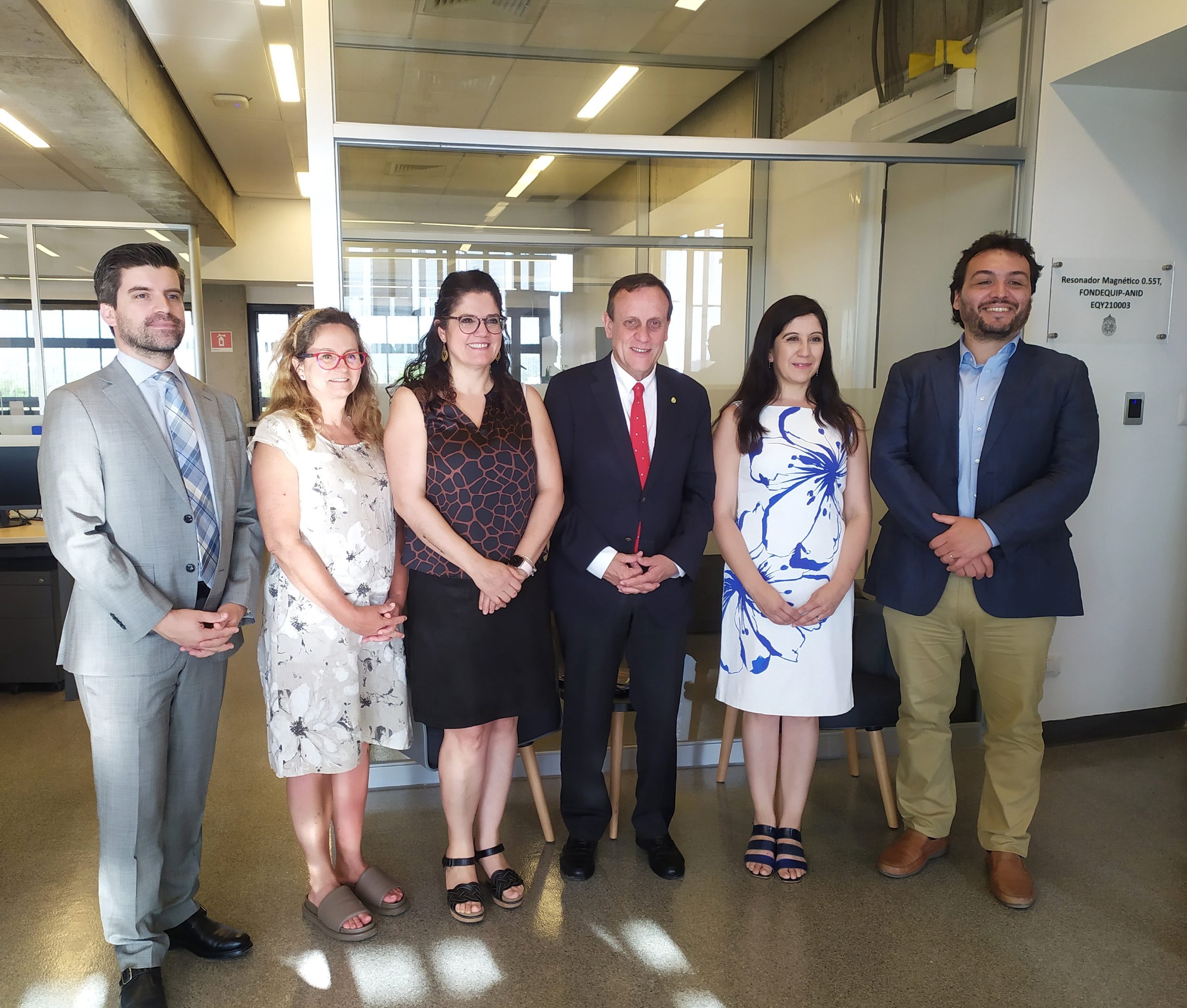
With the participation of the Rector of the Universidad Católica, Ignacio Sánchez Díaz, this December 12 the inauguration of the first magnetic resonator exclusively for research in Chile was carried out, which will allow expanding knowledge and training in the area of medical images.
Magnetic resonance scanners allow obtaining medical images that support the diagnosis of diseases in their increasingly early stages and in a non-invasive way. However, its access still does not reach the vast majority of Chileans. That is why this equipment was presented on the Science and Technology Building Esplanade of the San Joaquín Campus, financed by the Fondequip Mayor Project program of the National Agency for Research and Development, ANID.
For this occasion, there was also the presence of the Dean of the UC Engineering Faculty, Loreto Valenzuela; the Deputy Director of ANID Centers, Camilo Erazo; Business Director of Siemens Healthineers for Argentina, Chile and Uruguay, Joaquín Rigo-Righi and director of the iHEALTH millennium institute, Claudia Prieto.
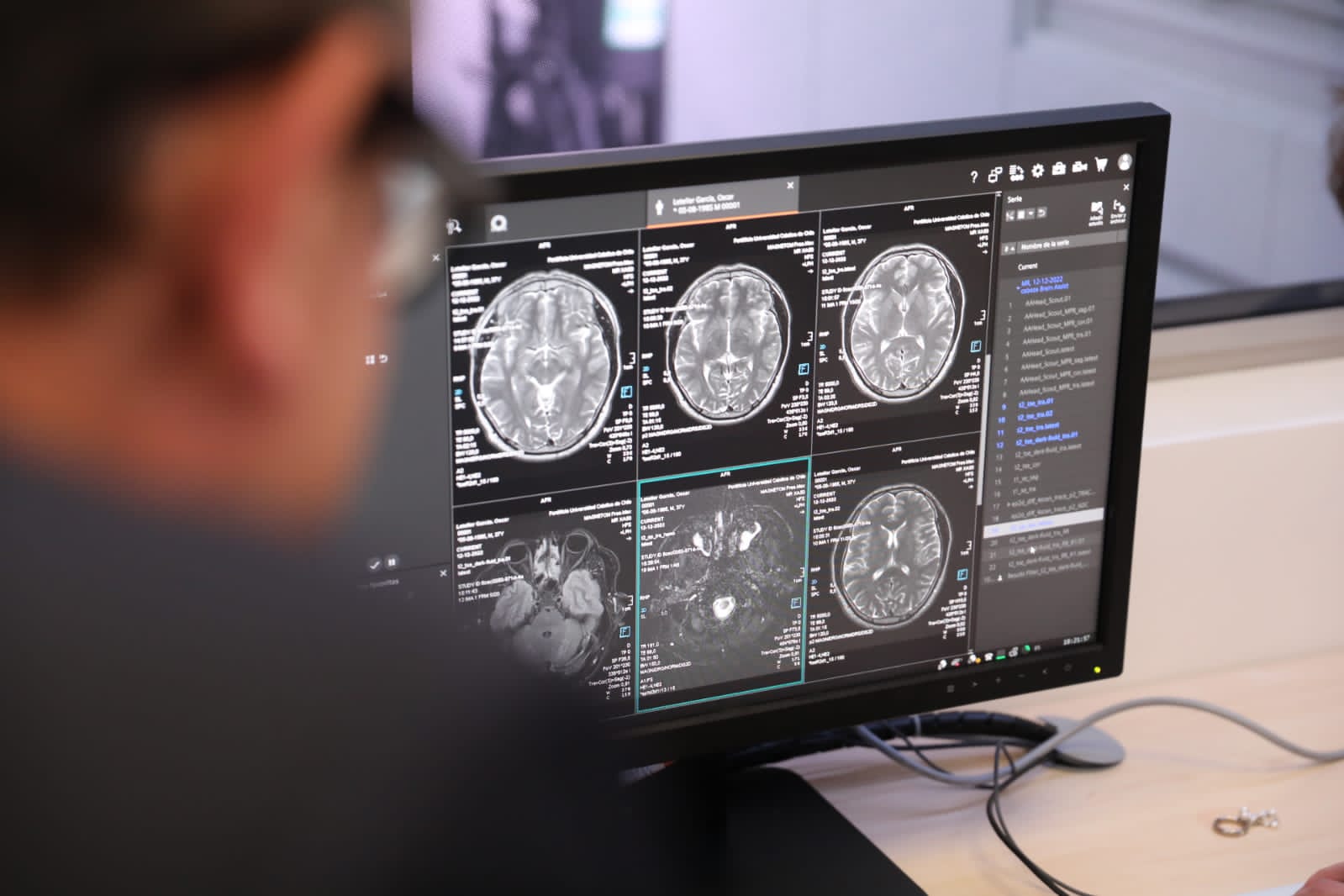
Magnetic resonance allows us to see the organs of the human body in a non-invasive way, and is particularly good at identifying, for example, tumors, inflammatory and degenerative lesions, allowing accurate diagnoses to be made in the brain, heart, liver, breasts, prostate and muscles, among others. . It can also be used from newborns to older adults, including pregnant women. Magnetic resonance allows the diagnosis of many diseases (oncological, inflammatory and neurodegenerative), but the high cost of the equipment and the need for a highly trained human team make access to it limited. In fact, in Chile there are 12 scanners per million inhabitants, while the average for OECD countries is 38.
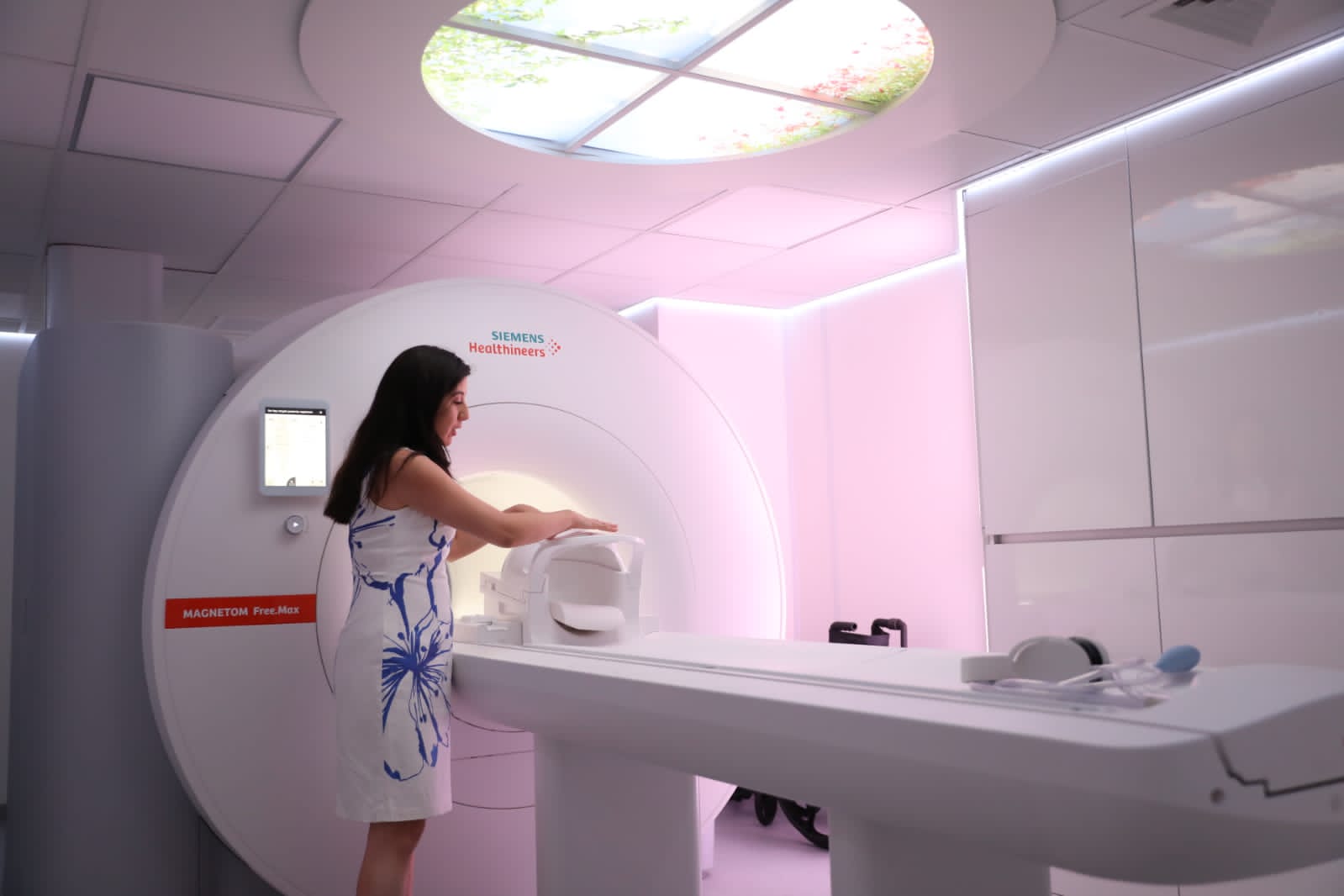
To help solve this problem, the first 0.55T resonator (Siemens Magnetom FreeMax) was installed, exclusively for research in Chile. The equipment is located on the fifth floor of the Science and Technology Building of the Faculty of Engineering of the Pontificia Universidad Católica de Chile.
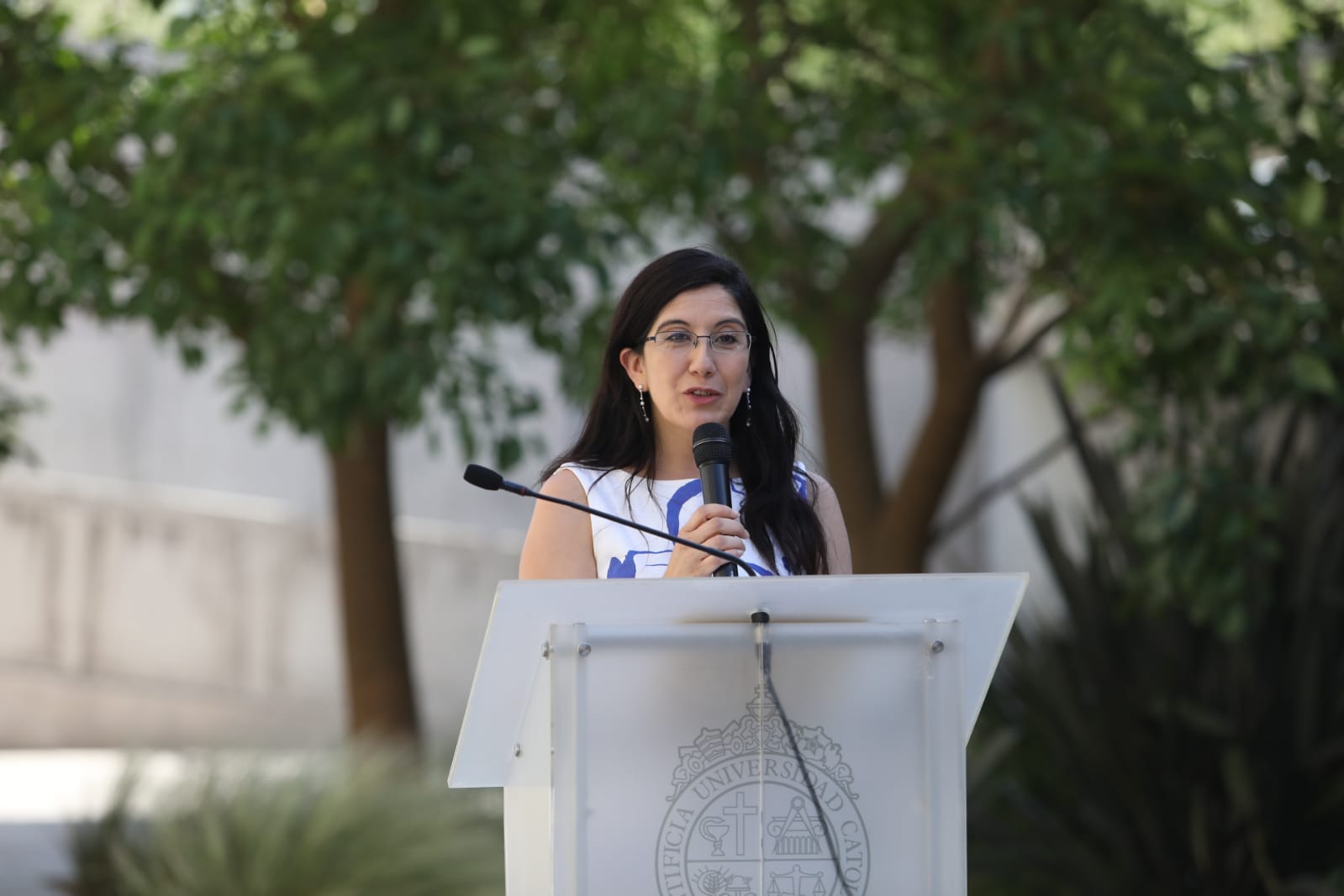
“The arrival of this team opens up a world of new opportunities related to applied research to improve people’s health, with the long-term goal of making health based on medical images more accessible and affordable to all Chileans. . Being a team 100% dedicated to research, we have the possibility of modifying its programming, something that we cannot do in teams that are shared with clinical hours, which will allow us to develop new and improved ways of obtaining images and its diagnostic information,” said Prieto, UC Engineering academic and Principal Investigator FONDEQUIP EQY 210003.
The strength of the resonator’s magnet is measured in Teslas, and the more Teslas, the higher the quality of the image, but also the higher the cost. Many technological developments in recent decades, in terms of hardware and software, have allowed the development of a new generation of lower Tesla equipment (less than 1T), which maintains image quality similar to 1.5T equipment. For this to happen, new technological developments are needed to improve early diagnosis, reduce examination times, automate the taking and make it work just like a resonator with larger Tesla units. The purely research access of this new equipment, combined with research in medical imaging and AI, will allow Chilean scientists to work on these challenges.
“This low-field MRI will be a unique piece of equipment to train the next generation of students at the interface of medical imaging science, artificial intelligence and medicine, and thus to facilitate the rapid clinical translation of our research. This new team will help us develop the first self-driving, lower-cost MRI scanner in Chile, leveraging our expertise in medical imaging and artificial intelligence. This could significantly contribute to improving the early diagnosis of many diseases”, explained the Director of the UC Institute of Biological and Medical Engineering, and principal investigator of the iHEALTH Millennium Institute, René Botnar.
“In addition, the special room they need, due to the magnetic field of the resonator, must be smaller. For example, the 1.5T room is 4×4 meters, and the room for a 7T resonator has to be almost like a tennis court in order to isolate the equipment. On the other hand, this one, being 0.55, needs smaller rooms, and it is also lighter. A normal clinical resonator weighs between 8 to 10 tons and the new resonator weighs 3.4 tons. It could even be installed in a truck and make medical images in different hospitals”, explained the alternate director of iHEALTH, Marcelo Andía.
This team was financed by the Major Scientific and Technological Equipment Program, FONDEQUIP, of the National Research and Development Agency and involves various researchers and universities in the country. Access to this equipment will allow progress in the preclinical and clinical phases of the work that researchers have been carrying out for years, as well as opening new lines of research.
“In Chile, clinical access to full-body MRI scanners for scientific research is very limited, as it is shared with clinical services. This will be the first MRI scanner in Chile that will be used 100% for scientific research. This will make it possible to significantly strengthen and expand research and training in the area of medical imaging in the country”, added Dr. Prieto.
For the Business Director of Siemens Healthineers for Argentina, Chile and Uruguay, Joaquín Rigo-Righi, technology should aim to improve the patient experience. That is why “this magnetic resonator has the largest space for patients to enter the equipment of 80 centimeters, which is much friendlier for those who suffer from claustrophobia, pregnant or have obesity. Thanks to this innovation, Chile will become the first country in Latin America to have a team specifically dedicated to education and research on many diseases, which places it at the forefront of advances in health.”
The dean of the UC Faculty of Engineering, Loreto Valenzuela, assured that this milestone “represents an opportunity to improve its clinical access, by allowing interdisciplinary progress in the development of cheaper and more efficient technological solutions for health”, and that this type of development is key, since today in the public system, a person must wait a long time to be able to take an exam of this type.