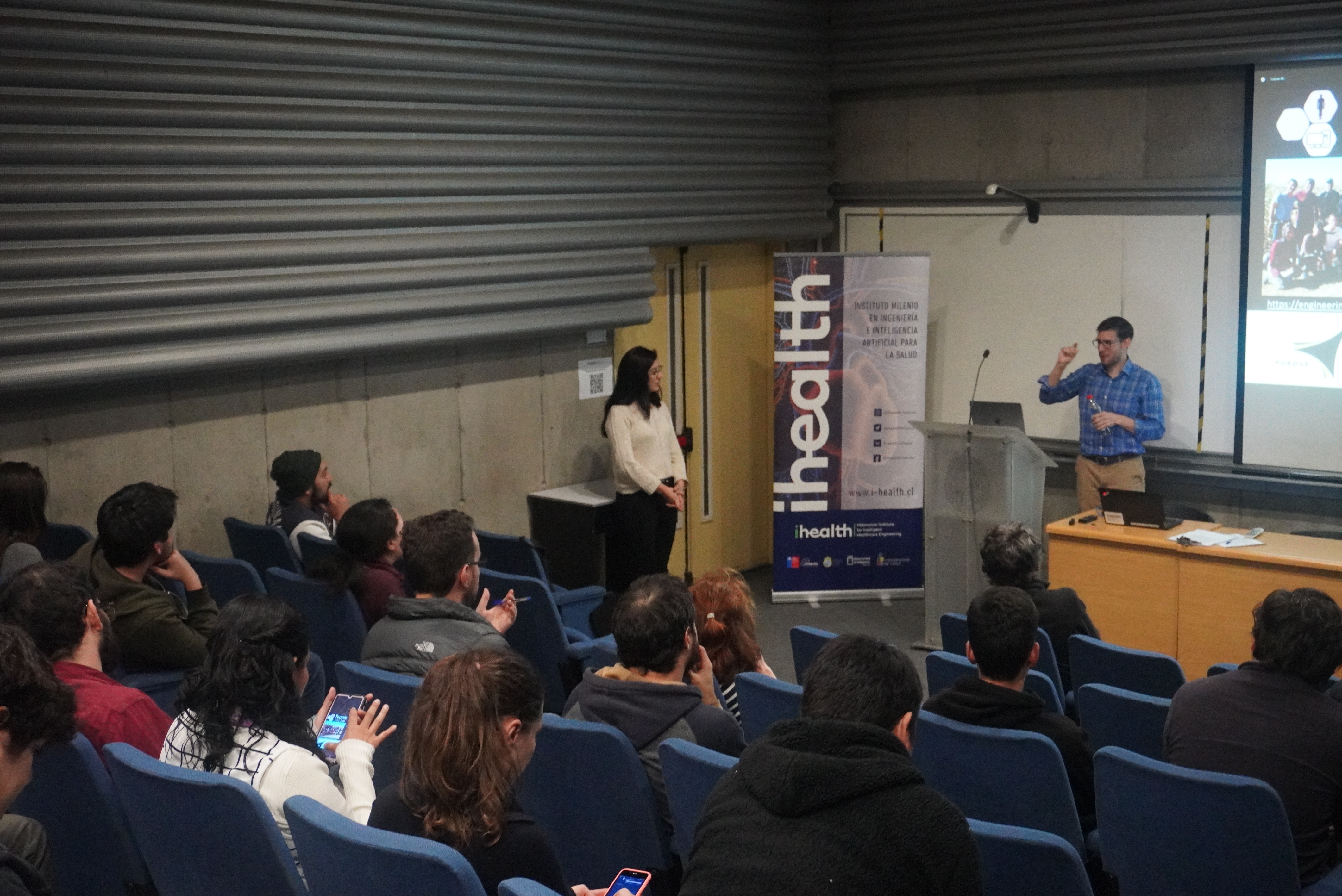
Seminar May 9 TH, 2023
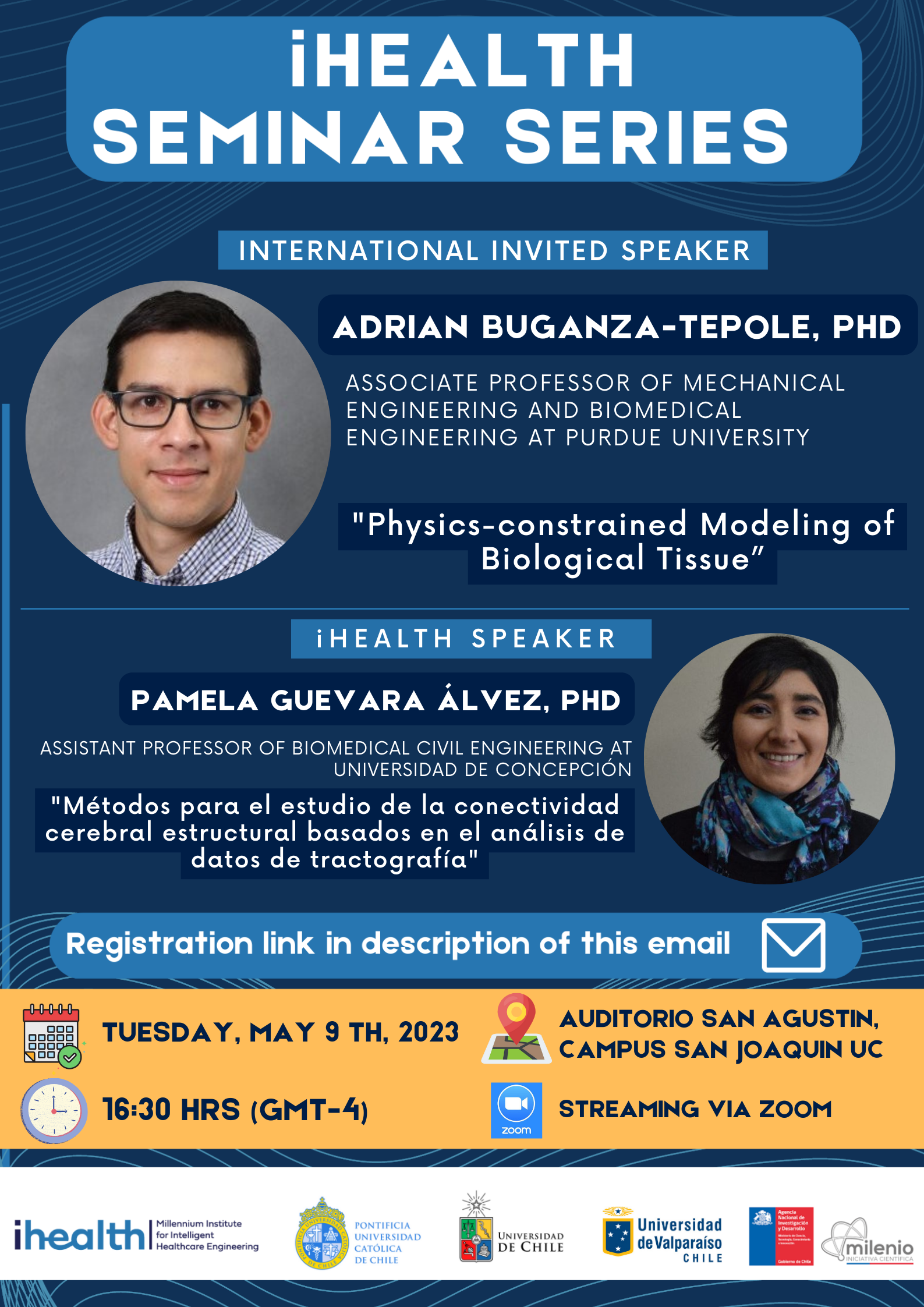
Hours: 16:30 - 18:00
Adrian Buganza-Tepole, PHD
Title: “Physics-constrained Modeling of Biological Tissue”
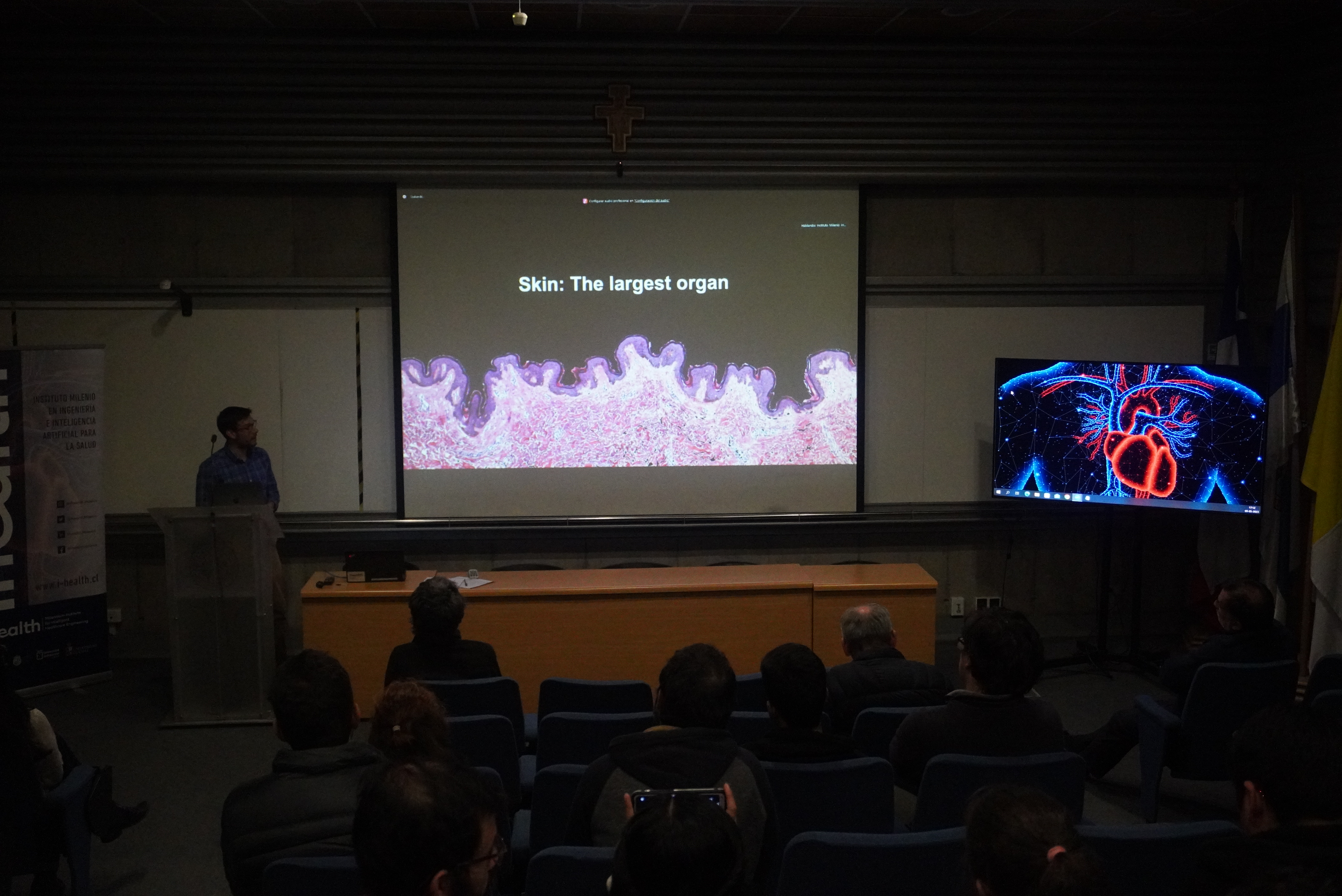
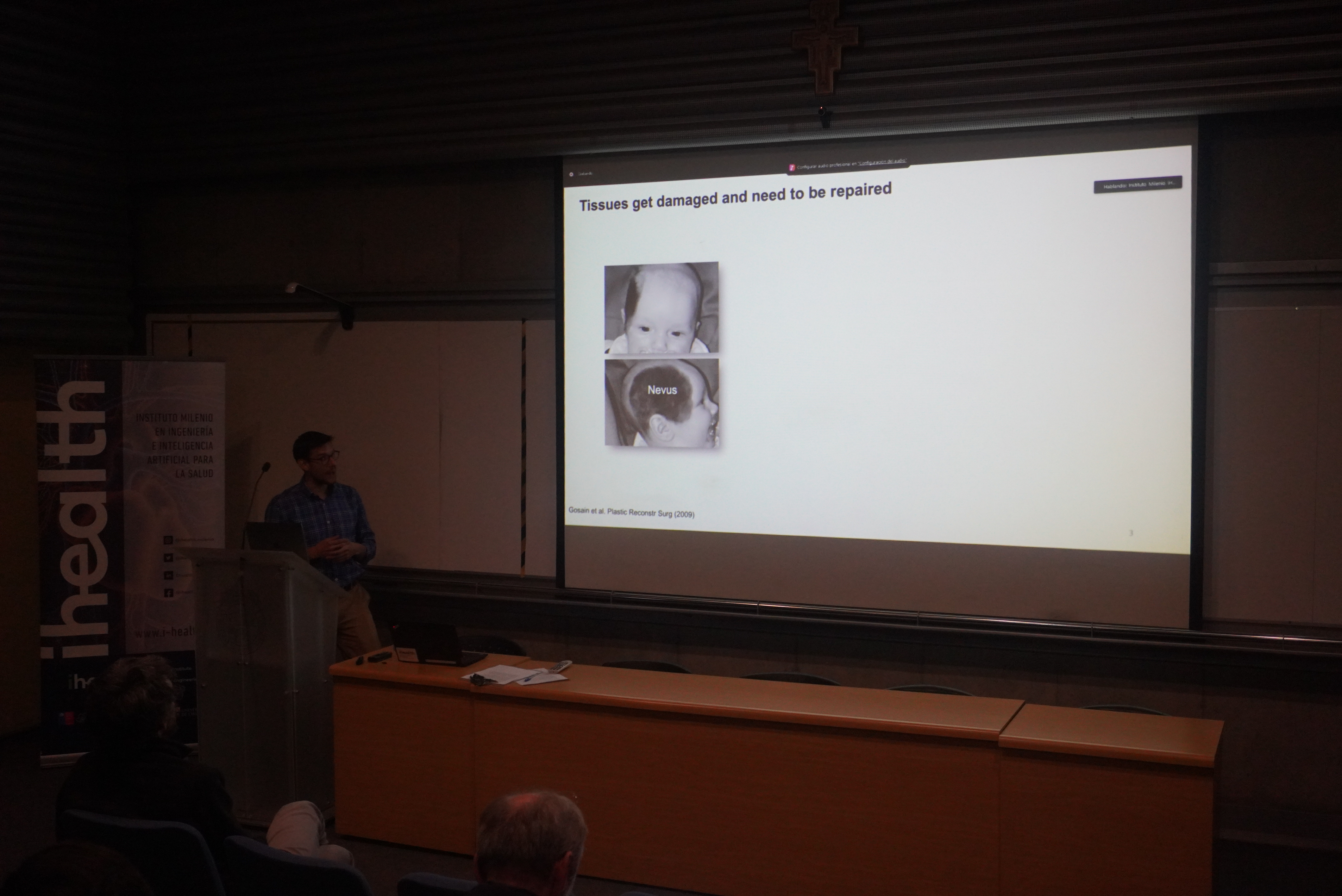
Abstract: The recent explosion in machine learning (ML) and artificial intelligence (AI) algorithms has started a revolution in many engineering fields, including computational biophysics. This talk focuses on our recent efforts to leverage ML methods to increase our fundamental understanding of skin and its unique ability to adapt to mechanical cues. The first project that will be described is skin growth in tissue expansion, a popular reconstructive surgery technique that grows new skin in response to sustained supra-physiological loading. We have created computational models that combine mechanics and mechanobiology to describe the deformation and growth of expanded skin. Together with experiments on a porcine model and leveraging ML tools such as multi-fidelity Gaussian processes, we have performed Bayesian inference to learn mechanistically how skin grows in response to stretch. The second half of the talk will explore the use of ML for modeling of soft tissue without the need for closed-form models but still able to satisfy basic physics constraints such as polyconvexity of the strain energy. These data-driven material models are accurate and stable and can be used in large-scale finite element simulations.
Bio: Dr. Buganza-Tepole is an Associate Professor of Mechanical Engineering and Biomedical Engineering (courtesy) at Purdue University. He obtained his Ph.D. in Mechanical Engineering from Stanford University in 2015 and was a postdoctoral fellow at Harvard University for a year before joining Purdue as a faculty member in 2016. He was also a Miller Visiting Professor at UC Berkeley during Spring 2022. His group studies the interplay between the mechanics and mechanobiology of skin. Using computational simulation, machine learning, and experimentation, his group seeks to characterize the multi-scale mechanics of skin to understand the fundamental mechanisms of this tissue’s mechano- adaptation in order to improve clinical diagnostics and interventional tools.
Pamela Guevara Álvez, phd
Title: Methods for the study of structural brain connectivity based on the analysis of tractography data
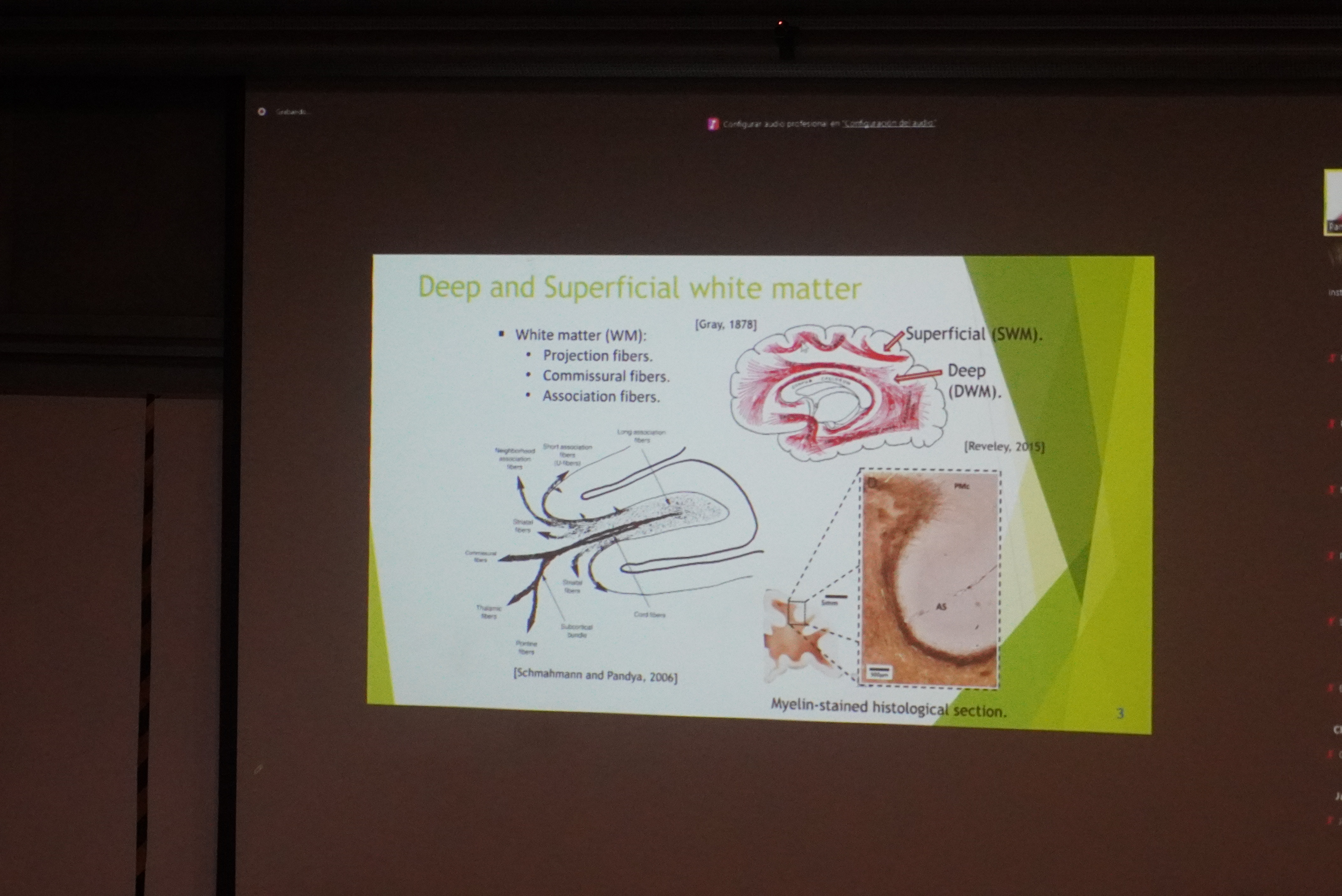
Abstract: Diffusion Magnetic Resonance Imaging (dMRI) is sensitive to the movement of water molecules in tissues. Thanks to brain tractography algorithms and the diffusion information of each voxel, it is possible to reconstruct the main trajectories of the white matter fascicles of the brain. These data sets can contain millions of 3D polylines, simply called fibers, for each subject, which makes their analysis challenging for the study of brain connectivity, both in healthy subjects and in patients with various pathologies. In this talk we will see some algorithms that allow grouping these fibers individually and in groups, to generate atlases of fiber fascicles and thus facilitate their segmentation in new subjects. We will also see some methods of parceling out the cortical surface based on dMRI data, with the aim of obtaining subdivisions of the cortex with similar connectivity profiles between subjects, which allow a better representation of the brain connection diagram or connectome.
Bio: Pamela Guevara graduated in Electronic Civil Engineering from the University of Concepción (Chile) in 2001. She then obtained a Master's in Medical Imaging and a PhD in Physics, both from the Université Paris-Sud, France, in 2007 and 2011, respectively. He developed his postgraduate theses at the Neurospin Neuroimaging Center, where he began in the study and analysis of diffusion Magnetic Resonance images (dMRI). In 2011 she joined the Department of Electrical Engineering at the Universidad de Concepción, Chile, where she is currently a Full Professor. He leads a Medical Image Analysis group that focuses on the development of methods for the study of brain connectivity. She is the author of more than 70 articles in journals and conferences, proposing different methods for tractography analysis from dMRI, including clustering and fiber segmentation methods. In recent years, he has focused on the study of superficial white matter (SWM) fibers. In particular, he has led the creation of new SWM bundle atlases and is currently working on improving the segmentation of these bundles, and on their use for diffusion-based parcelling of the cerebral cortex.