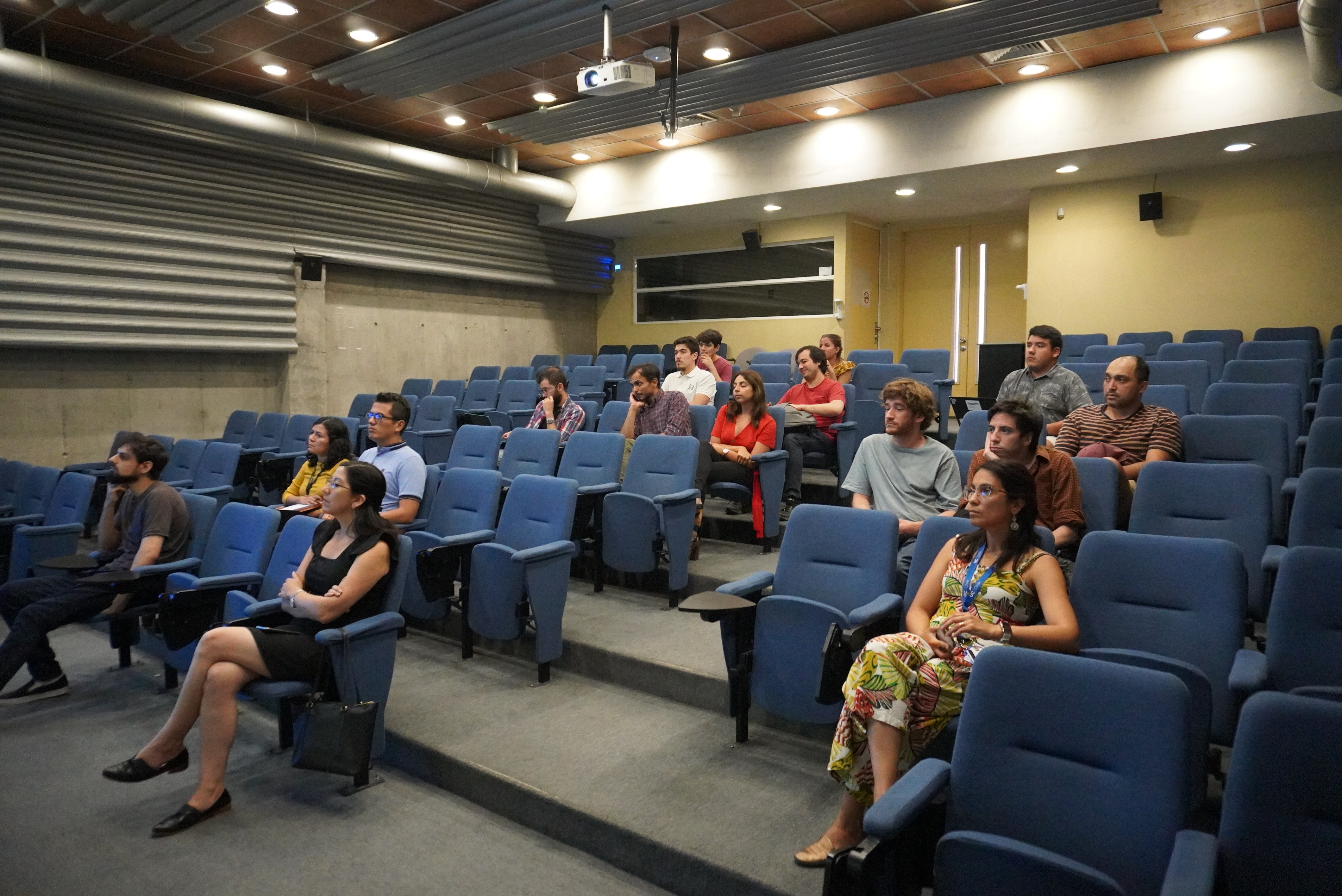
Seminar March 14th, 2023
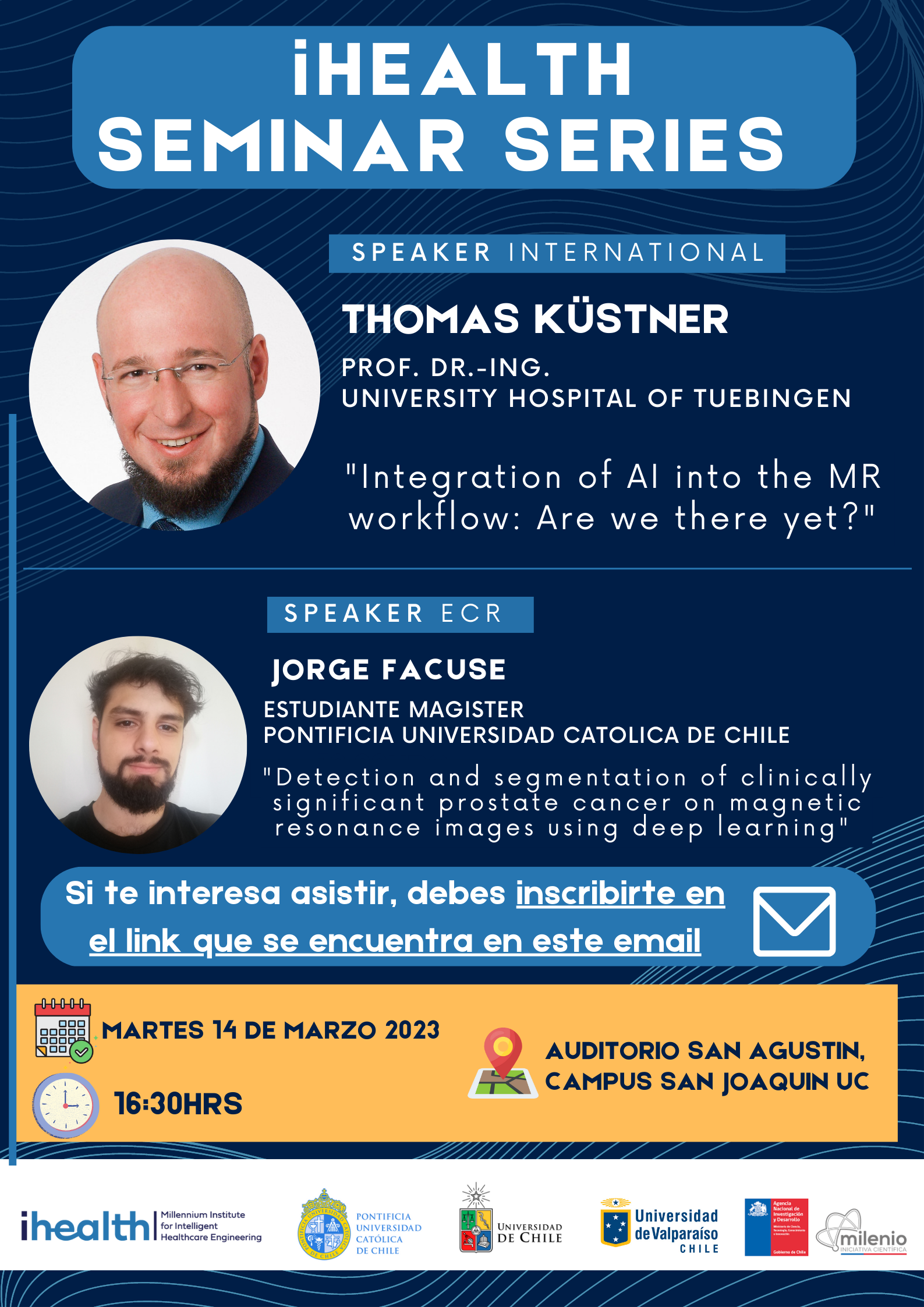
Hours: 16:30 - 18:00
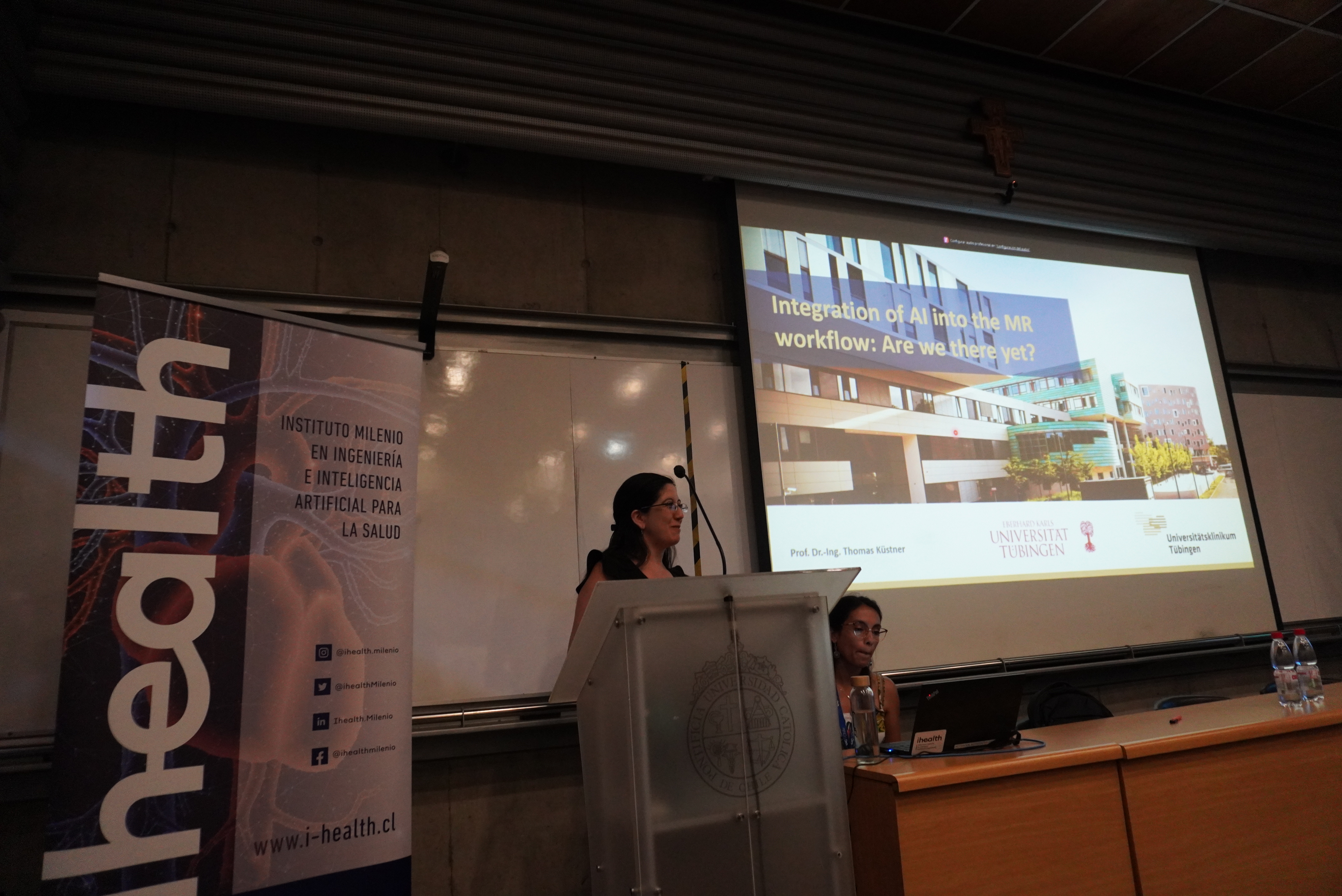
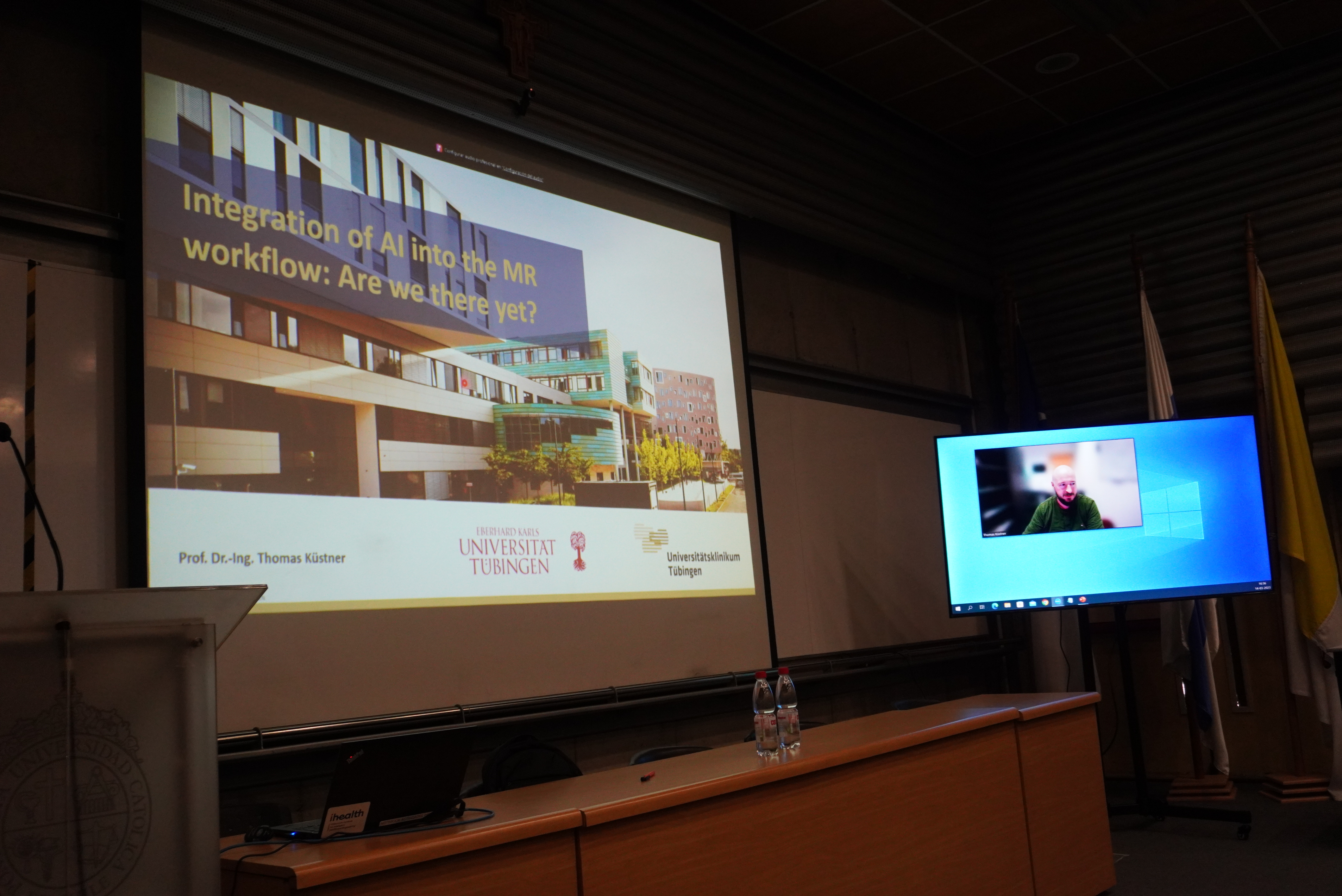
Prof. Dr.-Ing. Thomas Kuestner
Title: Integration of AI into the MR workflow: Are we there yet?
Bio: Prof. Dr.-Ing. Thomas Küstner (Member, IEEE; Junior Fellow, ISMRM) is the chair of medical imaging and data analysis (MIDAS.lab) at the University Hospital of Tübingen, Germany. He received his PhD from the University of Stuttgart, followed by a stay at the School of Biomedical Engineering and Imaging Sciences at King’s College London, United Kingdom. At the University Hospital of Tübingen, Dr Küstner co-leads the MIDAS.lab, and is the spokesperson of the cross-section area “Methods and data in medical imaging” which is responsible for research related infrastructure in the clinic. His research group is working on artificial intelligence-enabled multi-parametric and multi-modality medical imaging methods in acquisition and reconstruction, and the automated analysis of clinical and epidemiological studies. He is particularly focused on MR-based motion imaging, correction and reconstruction, and the advent of artificial intelligence in MRI.
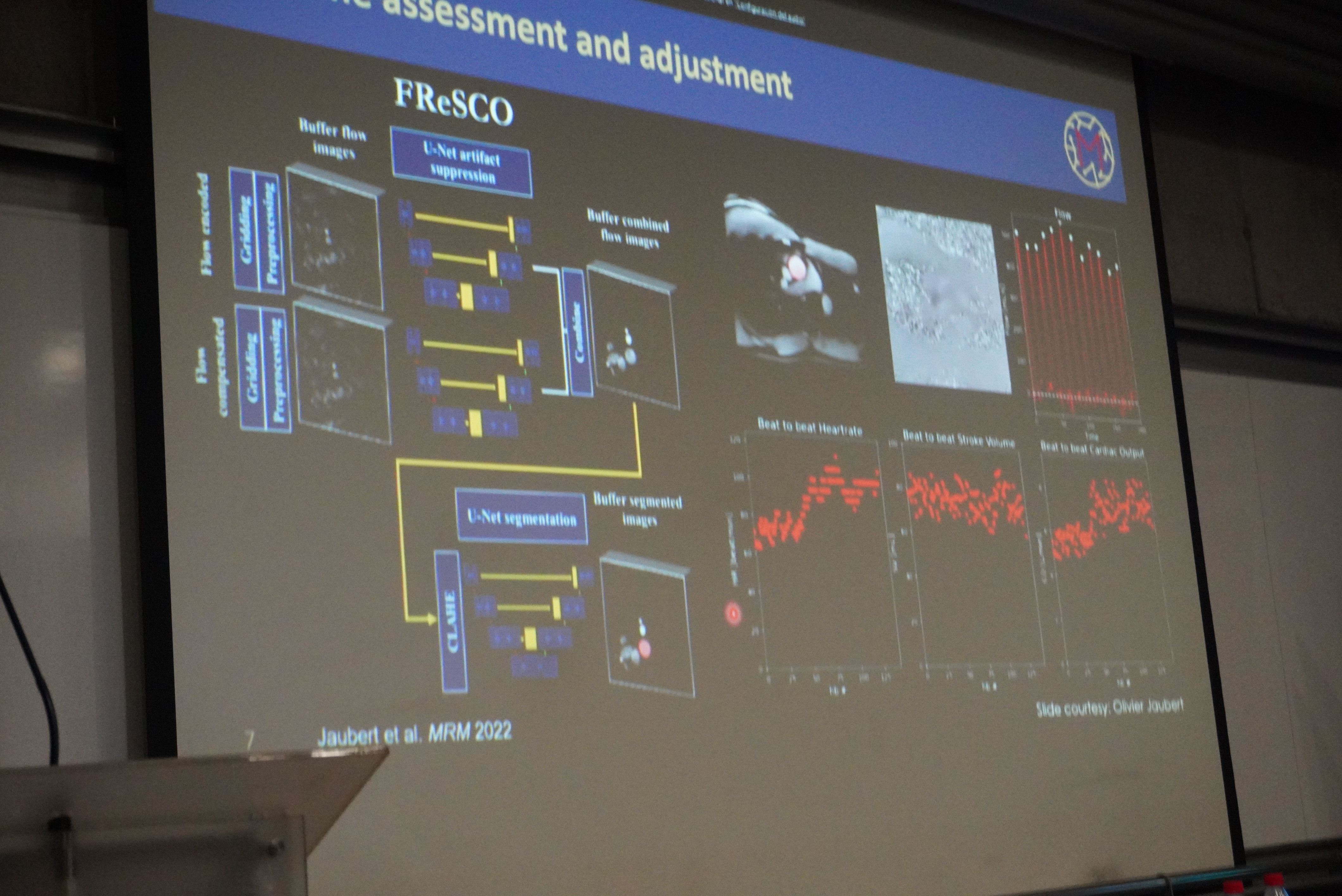
Abstract: The presentation will showcase AI solutions that integrate into the clinical workflow of magnetic resonance (MR) imaging. Solutions ranging from acquisition, over reconstruction, post-processing to image analysis will be covered. The presentation concludes with open challenges and risks associated to the usage of AI in clinical practice.
Jorge Facuse , MSc(c)
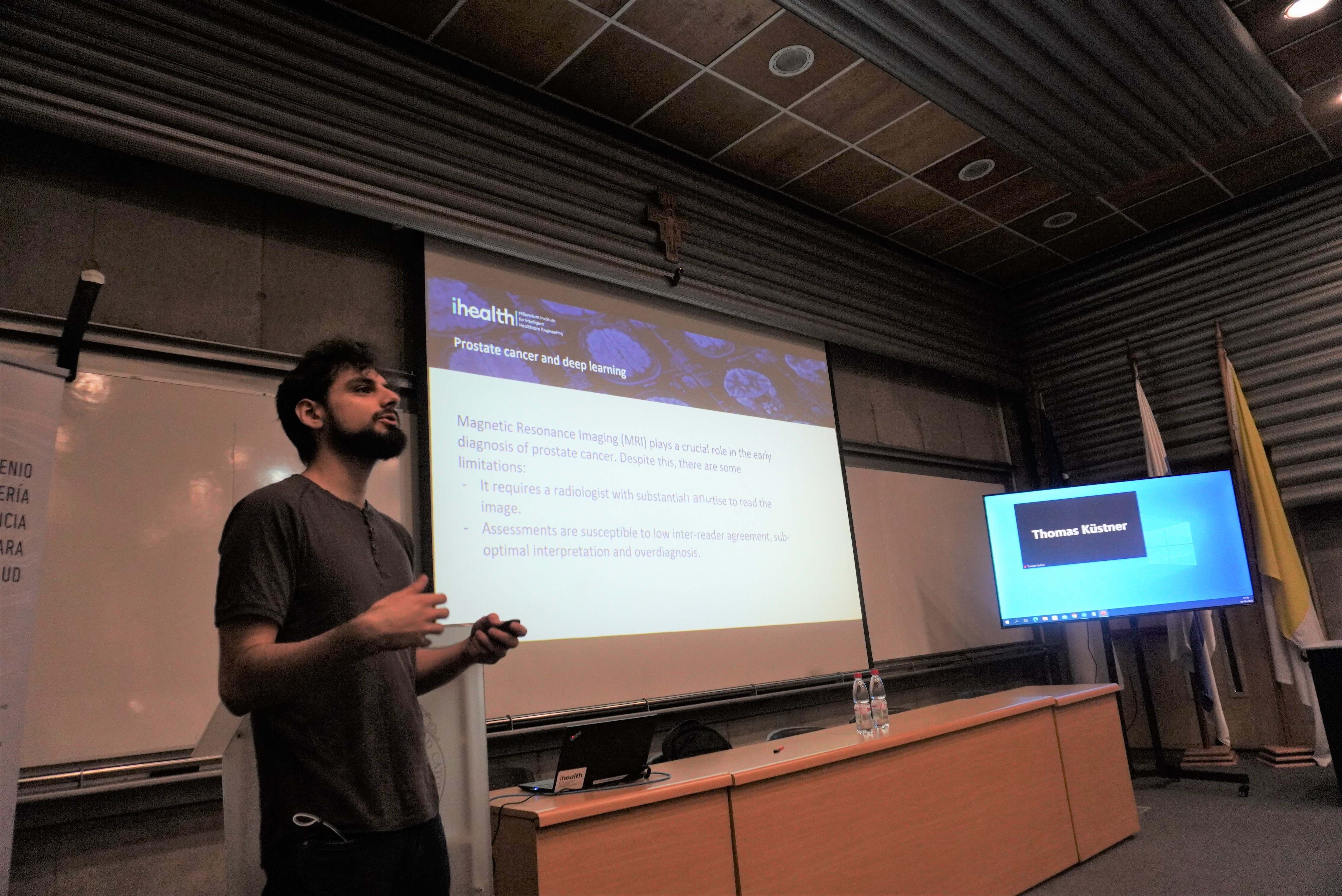
Title: Detection and segmentation of clinically significant prostate cancer on magnetic resonance images using deep learning
Bio: Jorge is a computer engineer from Pontificia Universidad Católica de Chile and is currently working on his masters degree in engineering sciences in the same university, under the guidance of Denis Parra.
Abstract: Prostate cancer is one of the most prevalent cancers in men worldwide. Because of that, MRI images have become a very important tool for early diagnosis of this disease. However, proper assessment of these images require substantial expertise of the reader and is a time consuming task. In this proyect, we use deep learning algorithms to automatically handle the detection and segmentation of prostate cancer. We will cover in this presentation the data used to train the models, how the algorithms work, our evaluation method and the results to this date.