Seminar June 17TH, 2025
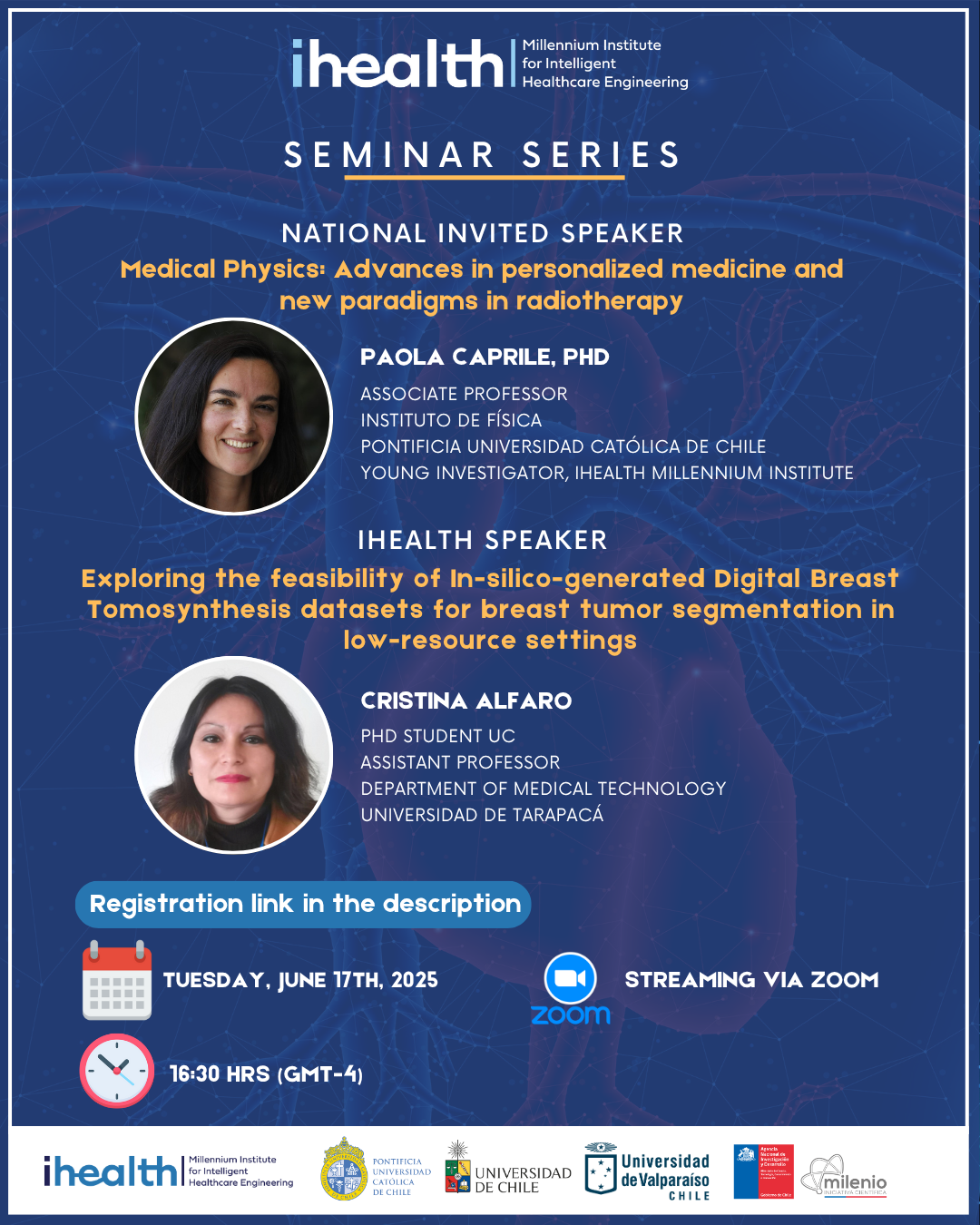
Hours: 16:30 - 18:00
INTERNATIONAL INVITED SPEAKER
PAOLA CAPRILE
Associate Professor
Institute of Physics
Pontificia Universidad Católica de Chile
TITLE: “Advances in personalized medicine and new paradigms in radiotherapy”
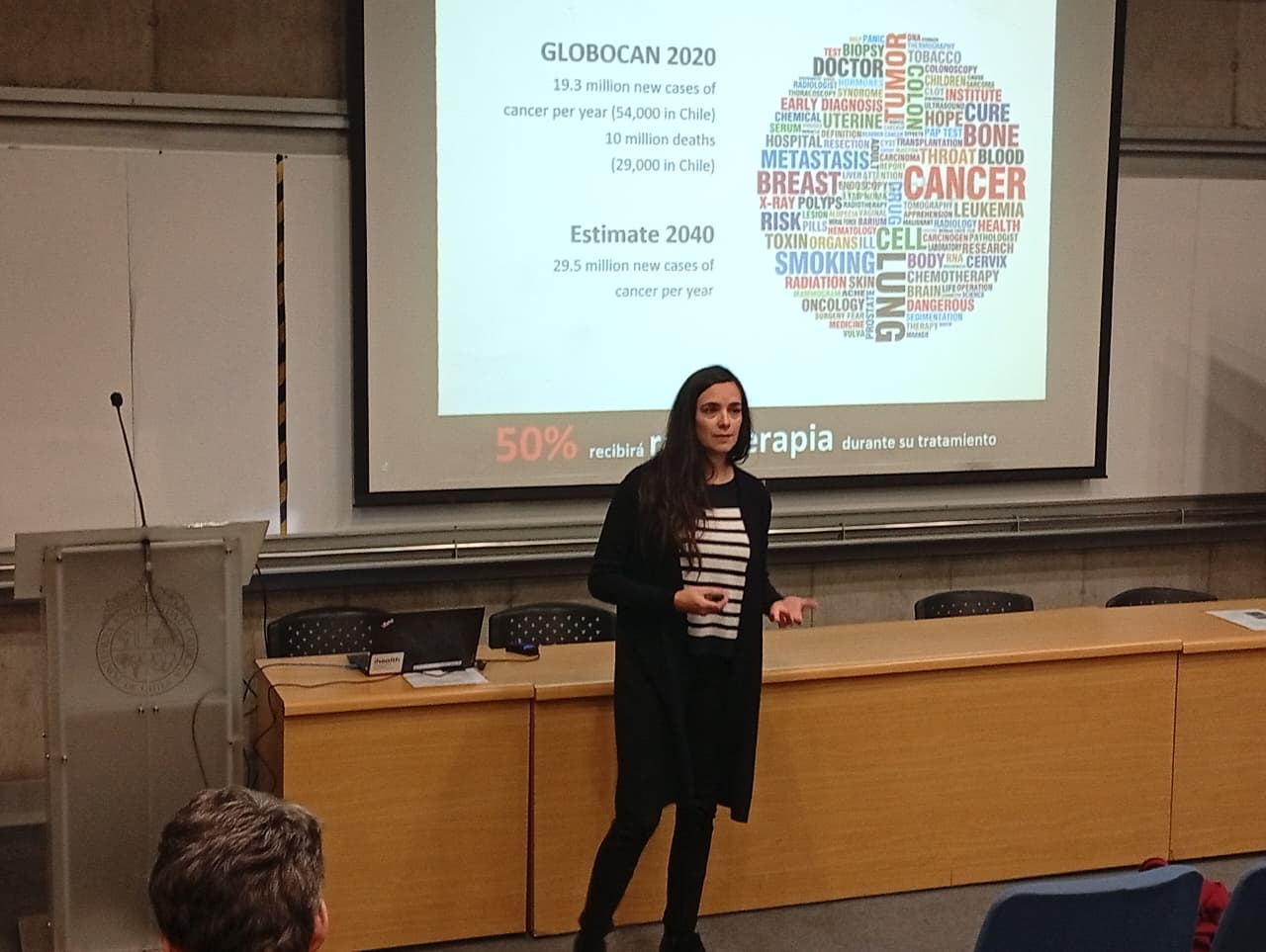
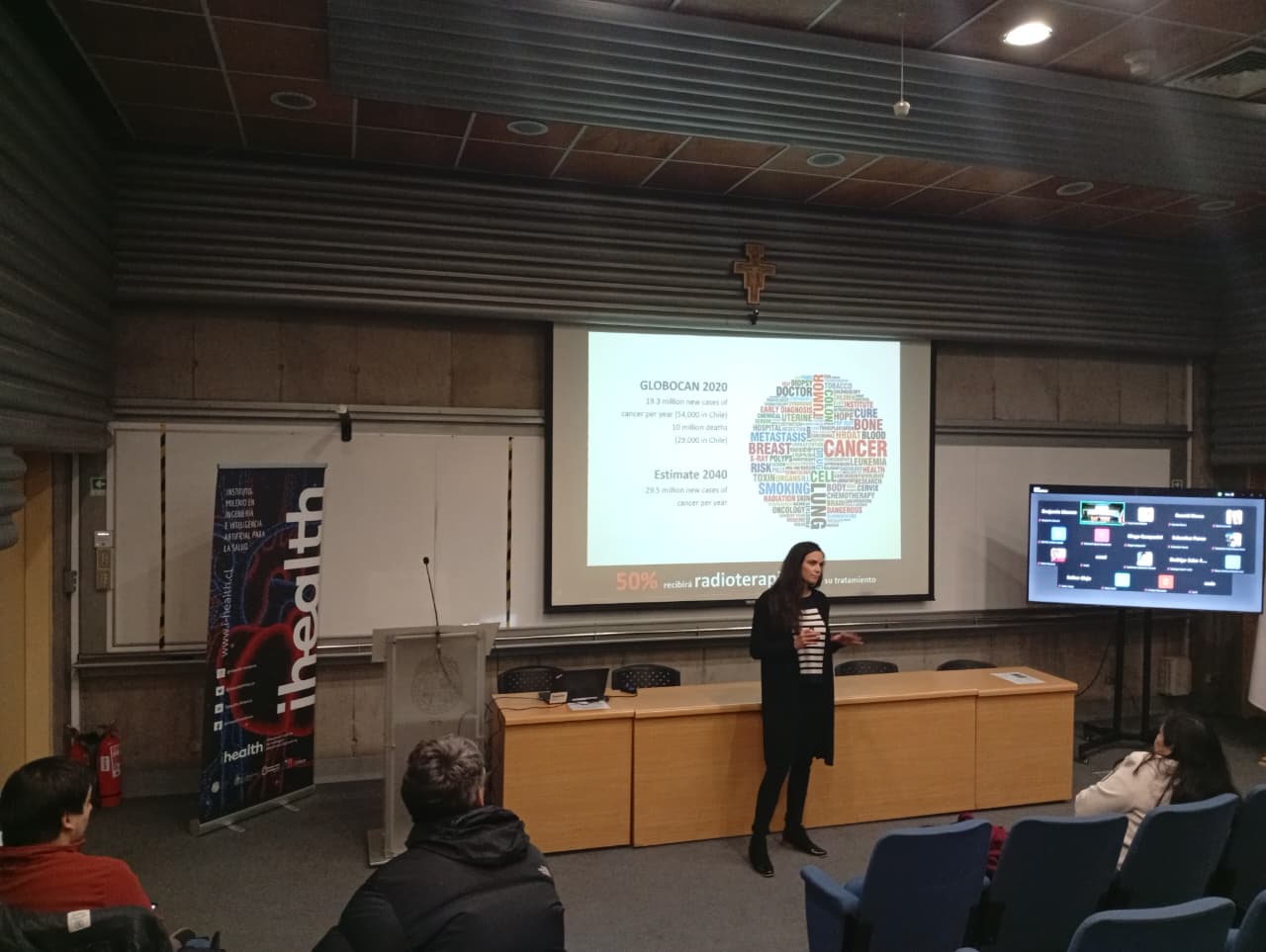
ABSTRACT: During this presentation, I will discuss advances in personalized radiotherapy, focusing on dosimetry and AI's role in clinical decision support based on medical images. My talk will cover radiotherapy principles and current AI applications in treatment planning, delivery, and evaluation. I will introduce Flash Radiotherapy, detailing its benefits and challenges. Finally, I will outline some of my ongoing projects, including radiomic models for decision support in prostate, breast, and rectal cancer, as well as other initiatives for preclinical dosimetry and quality assurance.
SHORT BIO: Paola Caprile obtained her bachelor's degree in physics from the Pontificia Universidad Católica de Chile and her PhD in Physics from the University of Heidelberg, Germany, where she specialized in medical physics. She currently holds the position of Associate Professor at the UC Institute of Physics and chairs the Institutional Committee for Research Safety at the Pontificia Universidad Católica de Chile. Additionally, she is a 'Young Researcher' at the Millennium Institute for Engineering and Artificial Intelligence for Health (iHealth) and serves as the Technical Lead for the UC Dosimetry Laboratory.
iHEALTH SPEAKER
CRISTINA ALFARO
PhD student
PhD in Biological and Medical Engineering
Pontificia Universidad Católica de Chile
TITLE: "Exploring the feasibility of In-silico-generated Digital Breast Tomosynthesis datasets for breast tumor segmentation in low-resource settings"
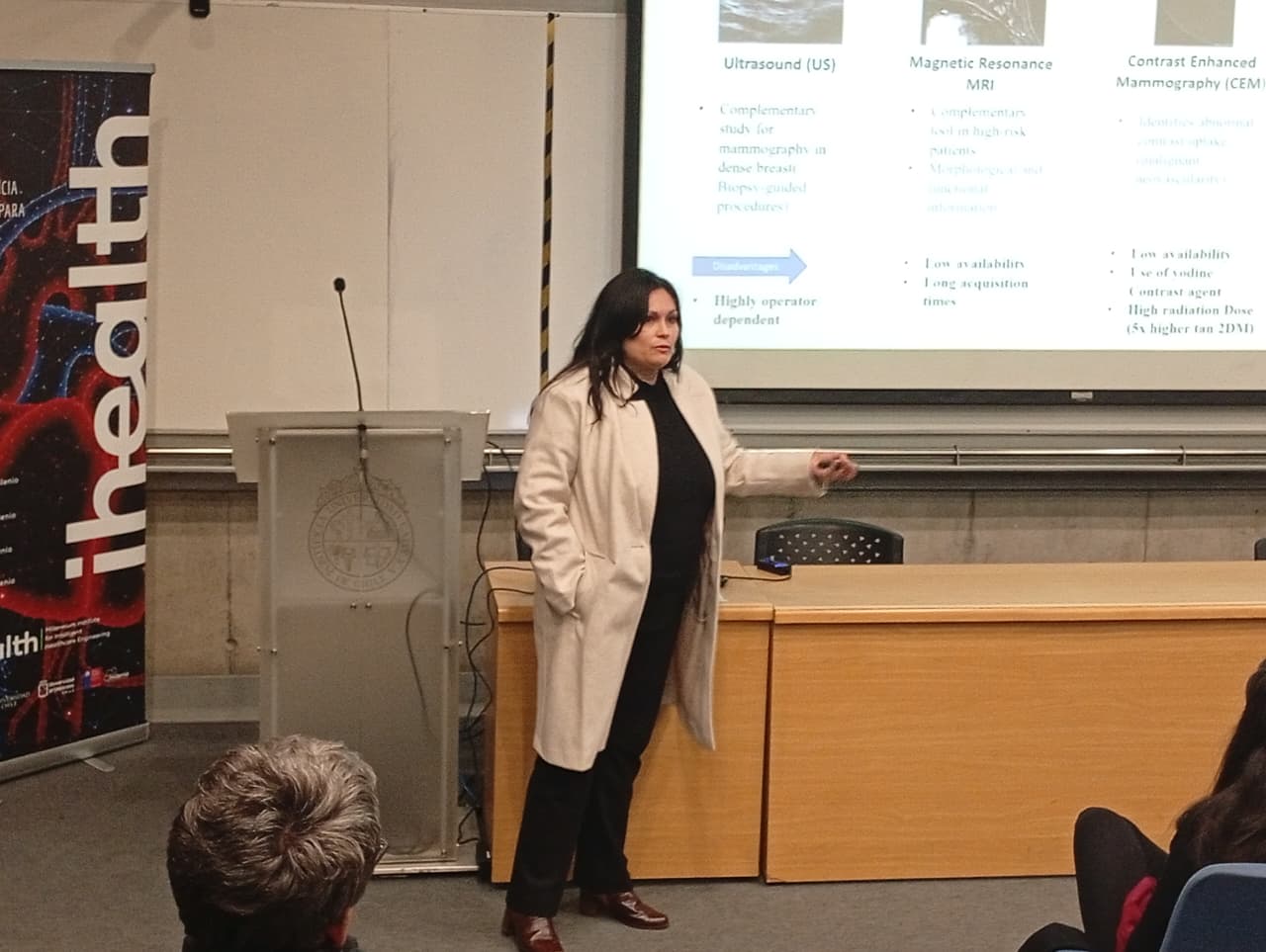
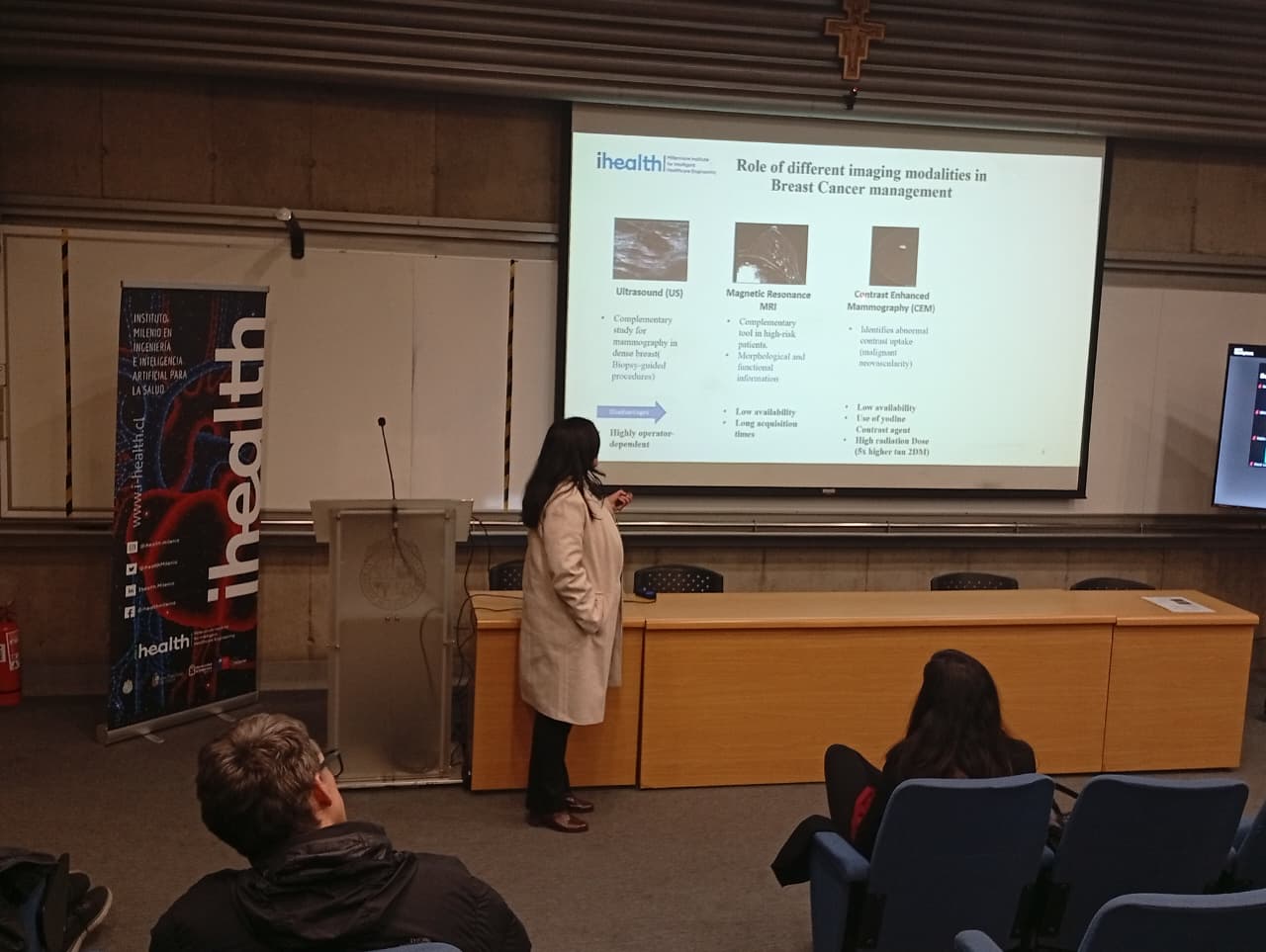
ABSTRACT: Breast cancer is the most frequently diagnosed cancer and the leading cause of cancer-related death among women worldwide. Digital Breast Tomosynthesis (DBT) improves lesion detection, particularly in dense breast tissue, but its integration into AI workflows is constrained by the scarcity of publicly available, annotated datasets. Accurate tumor segmentation is critical for diagnosis, treatment planning, and monitoring response to therapy. Our work aims to explore the feasibility of leveraging in-silico- generated DBT data to advance deep learning research in breast cancer imaging , particularly in settings with restricted access to annotated clinical data.
SHORT BIO: PhD (c) in Biological and Medical Engineering (IIBM UC)
Master's in radiologic sciences, U. Tarapacá
Master's in Health Science Education, U. Chile
Assistant Professor, Department of Medical Technology, Universidad de Tarapacá, Arica, Chile.